28 September 2026 —
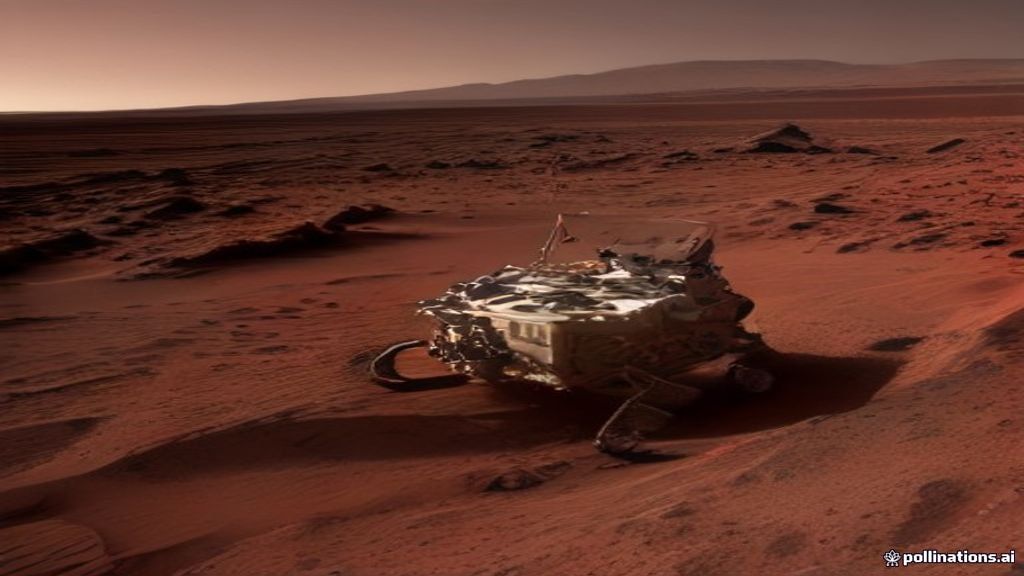
In a groundbreaking Mars water discovery, NASA researchers have uncovered evidence showing that liquid water flowed across the surface of the Red Planet during three distinct geological periods, significantly altering previous assumptions about its early environment. Data gathered by the Perseverance rover inside Jezero Crater reveals a far more complex hydrological timeline than the single, ancient lake scenario previously hypothesized by scientists.
Initially, planetary geologists believed that the rock formations within Jezero Crater were sculpted primarily by a long-standing lake fed by an ancient river system billions of years ago. However, extensive chemical and mineralogical analysis of collected rock samples indicates that the crater experienced at least three separate water-dominated episodes. Each phase altered the local landscape in unique ways, leaving behind distinct mineral signatures within the rock strata.
The first aqueous event involved intense volcanic activity interacting with surface water, forming the foundational igneous rocks detected deep within the crater floor. Millions of years later, a second sustained phase brought a long-lived lake and river delta system, depositing thick layers of fine-grained sedimentary mudstones capable of preserving potential organic traces. Finally, a third and much later episode featured dramatic flash floods that carried heavy boulders from outside the crater rim into the basin.
The Perseverance rover utilized its suite of advanced scientific instruments, including precision lasers and imaging spectrometers, to analyze the core samples harvested from the Martian surface. By probing the rock chemistry, researchers identified sulfates, carbonates, and altered clay minerals that could only form in the presence of liquid water over varying atmospheric conditions spanning hundreds of millions of years.
This revised timeline offers profound implications for the search for ancient microbial life on Mars. Multiple liquid water events suggest that habitable environments may have persisted intermittently for far longer durations than previously imagined. Furthermore, the sealed rock samples currently cached on the rover will eventually be returned to Earth through future international space missions, allowing scientists to precisely date these distinct episodes in terrestrial laboratories.
As Perseverance continues its journey along the rim of Jezero Crater, mission controllers anticipate gathering further insights into how Mars transitioned from a water-rich world to a cold, dry desert. The newly identified history of Martian water marks a major milestone in understanding the planet’s environmental evolution.
Useful links
Tourism & Management · Citizen Responsibility · Skill Services · Ramesh Poudel
Published with WpNewblog — www.rameshpoudel.com
About the Author