
27 September 2026 —
Federal law enforcement agencies in the United States have officially returned 36 stolen Syrian antiquities valued at more than $5 million, marking a significant victory in the international campaign against illicit cultural property trafficking. The repatriated treasures include a historic limestone relief from the ancient oasis city of Palmyra as well as 14 intricate Roman-era mosaics, all of which were illegally removed from their historical contexts and smuggled into international commercial markets.
The extensive recovery operation was led by federal prosecutors and art crime investigators in New York following detailed inquiries into global criminal antiquities networks. Authorities confirmed that 13 of the high-value items were seized directly from Manhattan’s Metropolitan Museum of Art, where the artifacts had landed after passing through intermediate art dealers and dubious private collections relying on falsified ownership documents.
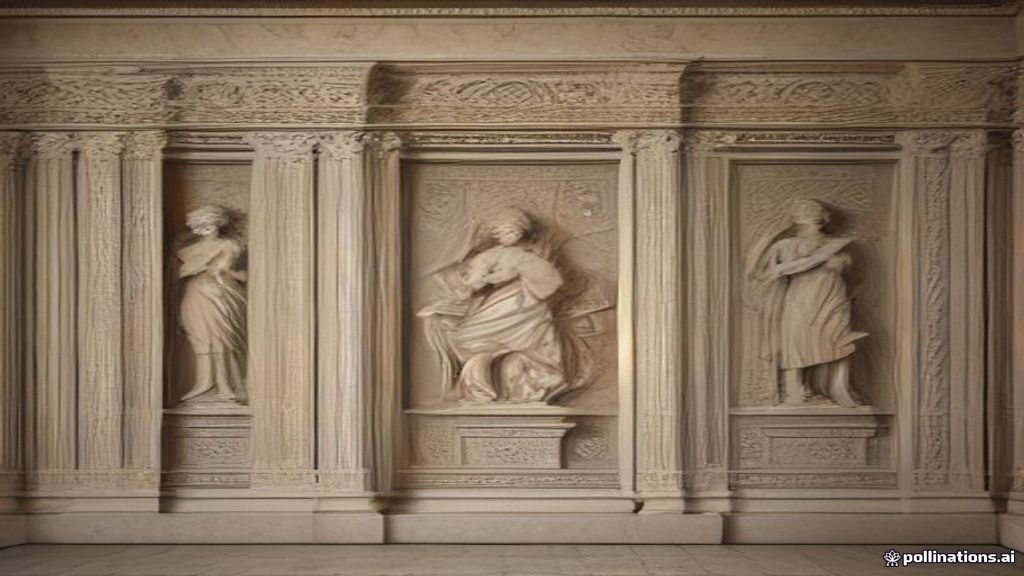
Among the most remarkable pieces returned is the Palmyra stone relief, a preserved funerary artifact reflecting the distinct synthesis of Greco-Roman and Persian artistic traditions that defined the region during antiquity. Palmyra, a celebrated UNESCO World Heritage site, has endured severe structural damage and widespread archaeological looting during periods of conflict, making the recovery of its displaced sculptures exceptionally rare and culturally vital.
The returned collection also features 14 classical mosaics displaying detailed geometric patterns and mythological imagery typical of the Roman period in the Levant. Investigators discovered that traffickers systematically detached these floor mosaics from ancient villas and public buildings across Syria before shipping them overseas through complex international routes designed to mask their true provenance.
Law enforcement officials stressed that halting the trade in stolen heritage remains an urgent priority, noting that proceeds from black-market art sales frequently finance transnational criminal groups and regional stability threats. Representatives noted that successful repatriations underscore the vital importance of legal mechanisms and international collaboration in holding illegal dealers accountable.
The formal return of these 36 historical objects represents an essential milestone in preserving the cultural identity of Syria. International heritage experts lauded the meticulous legal work involved, expressing optimism that continued global investigations will lead to the location and return of additional artifacts still missing from the region.
Useful links
Tourism & Management · Citizen Responsibility · Skill Services · Ramesh Poudel
Published with WpNewblog — www.rameshpoudel.com
About the Author