
17 September 2026 —
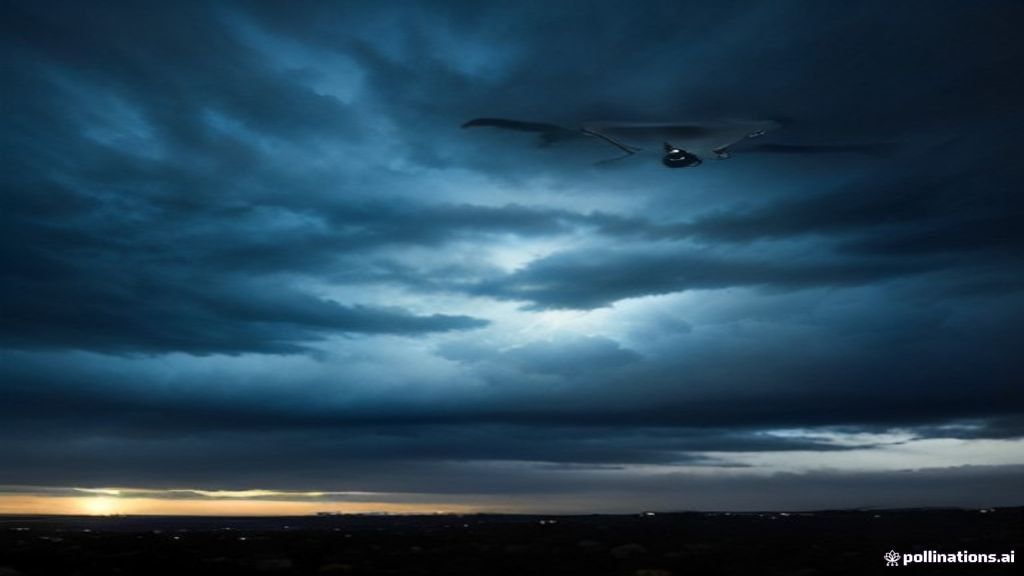
An 11-year-old innovator named Anirudh Rao has engineered an advanced tornado warning drone system capable of dramatically increasing early detection lead times for deadly atmospheric storms. Inspired by the devastating destruction caused by severe weather events, the young inventor designed a multi-layered sensor network paired with autonomous flight technology. The system aims to expand critical warning times from the current national average of roughly 13 minutes up to 40 minutes, giving vulnerable communities significantly more time to seek life-saving shelter.
The initiative began after Rao recognized the severe limitations of existing meteorological notification infrastructure. Traditional Doppler radar systems, while highly sophisticated, can struggle to detect rapid ground-level atmospheric shifts or sudden pressure drops in real time. This technical limitation often leaves local emergency planners and residents with extremely narrow margins to respond before severe funnel clouds touch down.
To solve this challenge, Rao developed an integrated system that deploys specialized, sensor-equipped drones into or near pre-cyclonic weather formations. These airborne units continuously gather critical micro-climate data, including sudden changes in barometric pressure, localized humidity fluctuations, and wind shear patterns. By collecting environmental readings directly within atmospheric zones where funnel clouds form, the platform gathers data far earlier than conventional surface stations.
The gathered metrics are fed into predictive computational algorithms that analyze micro-level atmospheric anomalies indicative of impending cyclonic activity. By identifying these preliminary markers before full rotation is visible on conventional radar, the technology enables weather authorities to issue localized hazard alerts much earlier than standard siren networks or public emergency broadcasts currently permit.
Rao’s pioneering research has drawn widespread attention across the scientific and educational communities for its practical, engineering-focused approach to natural disaster mitigation. Beyond tornado detection, experts note that scalable autonomous drone platforms carrying precision atmospheric sensors could eventually be adapted to monitor other volatile weather phenomena, such as flash flooding conditions and intense microbursts.
As climate volatility leads to an increase in unpredictable severe weather events globally, innovations spearheaded by young researchers showcase the transformative potential of robotics in public safety. Future development phases for Rao’s project will focus on field testing sensor resilience and flight stability in severe wind environments, bringing this early warning concept closer to operational deployment with weather forecasting agencies.
Useful links
Tourism & Management · Citizen Responsibility · Skill Services · Ramesh Poudel
Published with WpNewblog — www.rameshpoudel.com
About the Author