16 September 2026 —
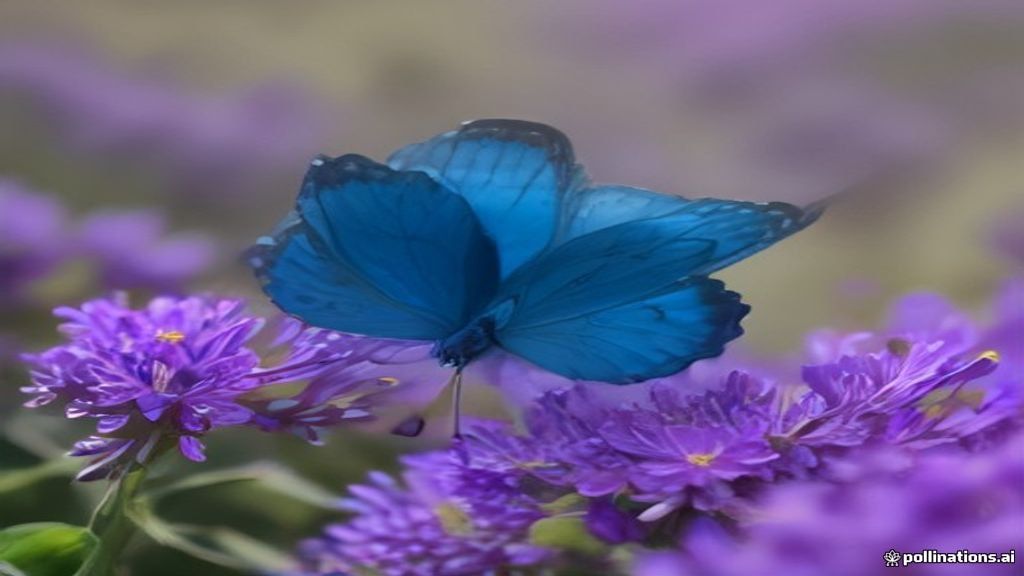
The Large Blue butterfly has staged an unprecedented comeback across Britain, with recent ecological data confirming a dramatic 1,866 percent population increase since targeted conservation measures began in 1983. Once declared officially extinct in the United Kingdom during the late 1970s, the rare species is now thriving across 33 distinct reserve sites, marking one of the most successful insect restoration projects in modern European history.
The resurgence of the Large Blue butterfly highlights decades of precise habitat management and ecological research. The species completely vanished from the British countryside in 1979 due to widespread habitat destruction, changes in traditional land management, and a historical misunderstanding of its highly complex life cycle.
Conservation biologists eventually discovered that the insect’s survival depends on a delicate symbiotic relationship with wild thyme plants and a specific red ant species, Myrmica sabuleti. The butterfly’s caterpillar initially feeds on wild thyme flower heads before dropping to the ground, where it mimics the scent and acoustic signals of ant larvae. Fooled by this deception, the ants carry the caterpillar into their underground nests, where it feeds on ant brood throughout the winter before emerging as a butterfly in early summer.
To facilitate the species’ return, conservationists introduced wild caterpillars sourced from Sweden in 1983 while meticulously restoring the precise landscape conditions required by the host ants. By maintaining short-turf grasslands through carefully controlled livestock grazing, environmental teams ensured ground temperatures remained optimal for the essential ant colonies to flourish alongside the nectar plants.
Wildlife experts report that the species has successfully expanded its footprint, establishing strong, self-sustaining populations in key landscapes across southwest England. The dramatic population surge demonstrates that restoring intricate ecological relationships, rather than simply setting aside isolated land, is essential for preserving delicate biodiversity.
Environmental organizations view this remarkable recovery as a scalable model for global insect conservation efforts. As habitat loss continues to threaten pollinators worldwide, the successful revival of the Large Blue butterfly offers valuable scientific insights and renewed hope for saving other critically endangered species.
Useful links
Tourism & Management · Citizen Responsibility · Skill Services · Ramesh Poudel
Published with WpNewblog — www.rameshpoudel.com
About the Author