
17 September 2026 —
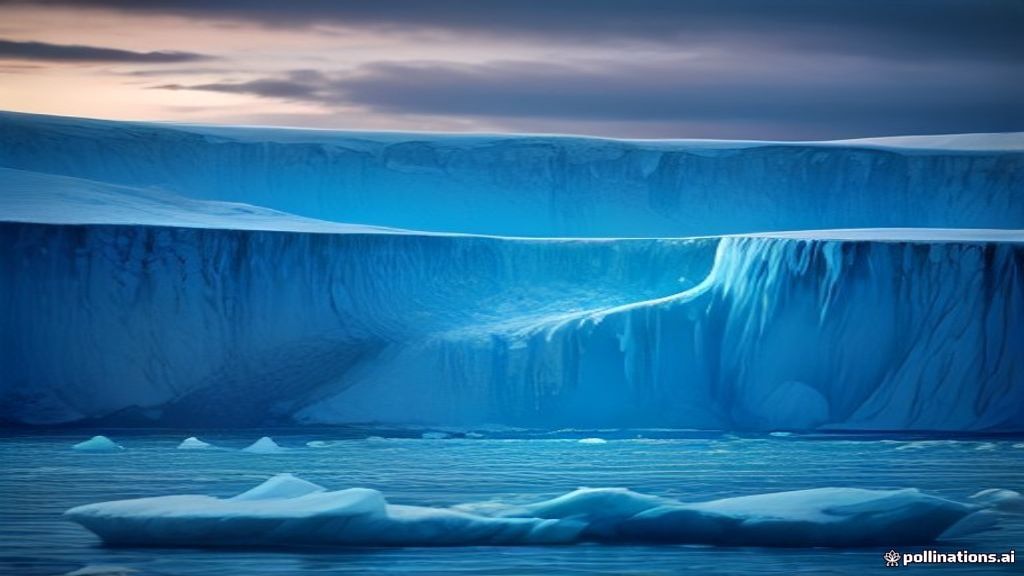
A comprehensive scientific assessment reveals that polar ice loss in Greenland and Antarctica reached a staggering 11,309 billion tonnes between 1979 and 2023. This massive reduction in Earth’s polar ice sheets has directly contributed to a 31.4-millimetre rise in global sea levels over the 44-year period, underscoring the expanding impact of global climate change.
According to the newly released study, accelerated glacier flow emerged as the overwhelming driver of the total mass depletion. Faster-flowing glaciers accounted for 84 percent of the frozen mass lost to the oceans, while direct surface melting driven by atmospheric warming contributed the remaining 16 percent.
Researchers emphasized that warming ocean waters are playing a critical role in destabilizing polar ice sheets from underneath. As deep sea temperatures rise, warmer currents erode the underwater edges of ice shelves and glacier termini, reducing the structural friction that typically slows their movement toward the sea.
The findings highlight a troubling shift in ice sheet dynamics, where dynamic instability outweighs simple meltwater runoff. The accelerated movement of large glaciers means vast volumes of ice are being delivered directly into ocean waters far more rapidly than previously observed in historical records.
Climate scientists warn that the continued melting of Greenland and Antarctica poses severe risks to low-lying coastal regions worldwide. Without sustained global efforts to curb greenhouse gas emissions and stabilize ocean temperatures, the rate of ice sheet decay and subsequent sea-level rise is expected to intensify in the coming decades.
Useful links
Tourism & Management · Citizen Responsibility · Skill Services · Ramesh Poudel
Published with WpNewblog — www.rameshpoudel.com
About the Author