
22 September 2026 —
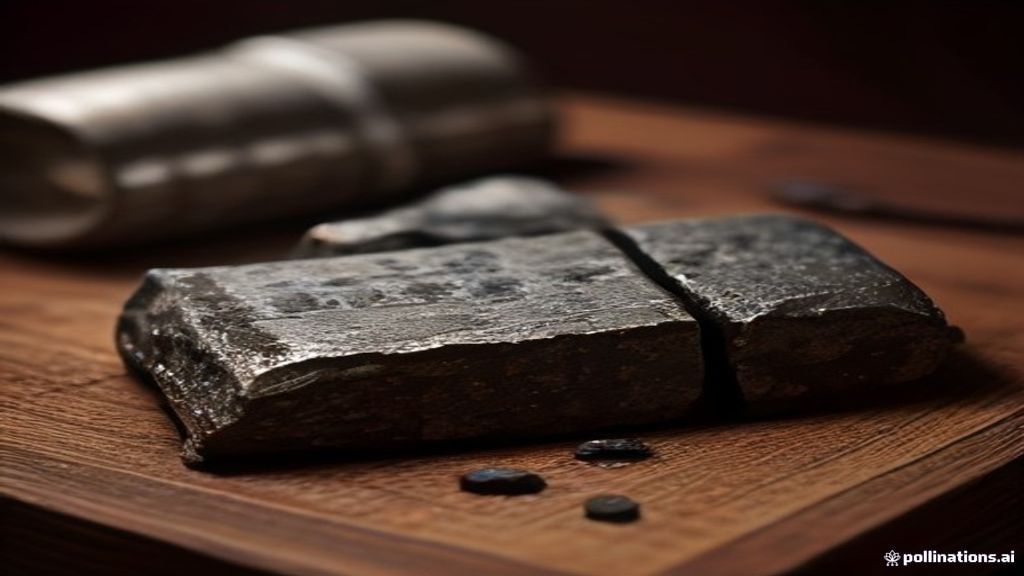
Two 2,000-year-old Roman lead blocks dating back to the reign of Emperor Domitian have been discovered by amateur metal detectorists in Wales, offering a remarkable glimpse into Britain’s ancient industrial landscape. The rare artifacts, inscribed with Latin text referencing the late first-century ruler, highlight the extensive reach of Roman mining operations and imperial resource management across the region.
The discovery occurred during routine field surveys when detectorists alerted local historic authorities after unearthing heavy metallic slabs just beneath the soil. Initial examinations by archaeological experts confirmed that the objects were cast lead ingots, historically known as “pigs,” which served as standardized units of trade throughout the Roman Empire. Epigraphic analysis of the faint Latin inscriptions stamped onto the surfaces tied their production specifically to the reign of Emperor Domitian, who ruled from 81 to 96 AD.
Lead extraction was a cornerstone of the Roman economy in Britain following the imperial conquest of the island in 43 AD. Imperial authorities heavily prized British metal deposits, utilizing lead for plumbing systems, water pipes, roofing materials, silver processing, and military supply networks. Welsh territories, rich in lead and silver ores, were quickly brought under imperial oversight, with military garrisons often established nearby to secure and monitor extraction operations.
The explicit link to Emperor Domitian makes the finding particularly valuable for historians. Inscribed lead ingots frequently bore official imperial stamps to signify state ownership, control, or official taxation. Artifacts from Domitian’s reign provide crucial chronometric markers that help researchers map the economic activity and administrative control of Roman authority in Britain during the late first century.
The two Roman lead blocks are currently undergoing comprehensive metallurgical testing and conservation treatment by regional heritage organizations. Experts hope that stable isotope analysis of the metal content will pinpoint the exact mine from which the raw ore was harvested, shedding further light on ancient trade routes and labor organization in Roman Wales.
Useful links
Tourism & Management · Citizen Responsibility · Skill Services · Ramesh Poudel
Published with WpNewblog — www.rameshpoudel.com
About the Author