
21 September 2026 —
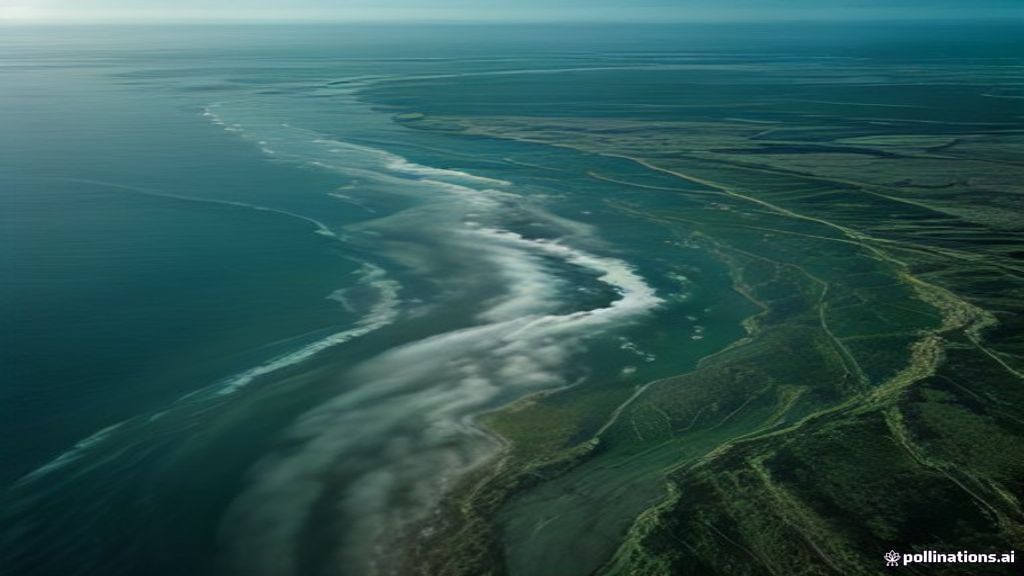
Human activity now contributes more nitrogen to a quarter of the world’s coastal waterways than all natural sources combined, according to a groundbreaking global environmental study. The comprehensive research highlights a dramatic surge in synthetic nutrient runoff driven by modern agriculture, industrial discharges, and expanding urban centers. The resulting chemical imbalance is severe enough to overwhelm natural marine ecosystems, with major bodies of water such as the Gulf of Mexico designated as critical hotspots for nitrogen pollution in coastal waterways.
While nitrogen is a fundamental nutrient necessary for aquatic life, excessive volumes entering river systems trigger destructive ecological chain reactions. As synthetic fertilizers, untreated wastewater, and agricultural runoff flow into estuaries and shallow coastal waters, they fuel rapid, uncontrolled blooms of microscopic algae. When these massive algal mats eventually die and decompose, oxygen-consuming bacteria deplete the surrounding water column, creating vast hypoxic dead zones where marine organisms cannot survive.
The scientific team evaluated global watersheds and coastal drainage systems to compare human-generated nitrogen against pre-industrial natural baseline levels. Their analysis revealed that in 25 percent of the examined coastal regions, anthropogenic nitrogen inputs have officially surpassed all natural baseline inputs combined. This shift fundamentally alters localized water chemistry, posing catastrophic risks to marine biodiversity, commercial fisheries, and coastal economies dependent on healthy aquatic habitats.
Among the affected regions, the Gulf of Mexico represents one of the most severe examples of nutrient overloading. The region receives immense volumes of agricultural runoff transported from farmlands across the central United States through the vast Mississippi River system. Similar critical spikes in excess nitrogen were documented across heavily industrialized and agricultural drainage basins in East Asia, Western Europe, and North America, underscoring a global ecological challenge.
Environmental experts emphasize that curbing excess nutrient runoff requires targeted international policy interventions and modern sustainable practices. Transitioning to precision fertilizer management, upgrading municipal wastewater infrastructure, and rehabilitating natural coastal wetlands could significantly filter out harmful contaminants. Without immediate coordinated action, scientists warn that marine dead zones will continue to expand, threatening long-term ocean health.
Useful links
Tourism & Management · Citizen Responsibility · Skill Services · Ramesh Poudel
Published with WpNewblog — www.rameshpoudel.com
About the Author