
26 September 2026 —
Marine wildlife rescuers in England have launched an intensive rehabilitation effort following a dramatic Norfolk seal rescue involving a female seal trapped in four kilograms of discarded commercial fishing debris. The severely injured marine mammal was found along the Norfolk coastline, bearing a catastrophic three-inch deep wound caused by dense plastic netting that had cut deeply into her neck over several weeks or months.
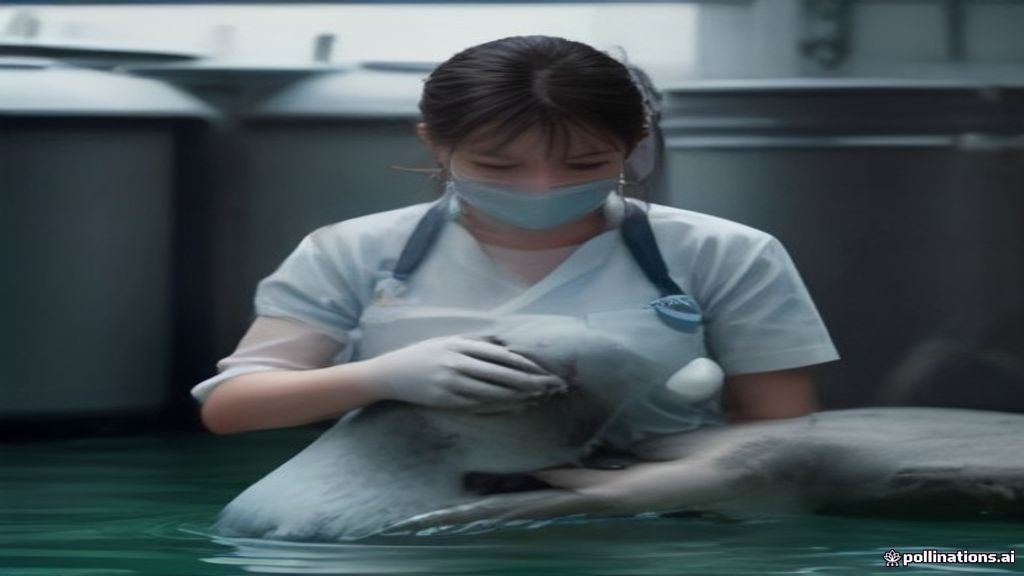
The emergency rescue operation required immediate coordination from local animal welfare teams, who carefully restrained the distressed animal to cut away the massive entanglement. Upon intake at a specialized veterinary hospital, medical staff noted that the immense weight of the ocean rubbish had severely restricted the seal’s movement and impeded her ability to hunt, leaving her dangerously underweight and suffering from extreme physiological stress.
Veterinary specialists have initiated a comprehensive treatment plan that includes pain management, specialized wound cleansing, and targeted antibiotics to combat severe tissue infections. Experts warn that despite the successful initial removal of the netted mass, the animal remains in critical condition. Deep lacerations of this nature require constant daily care, hydrotherapy, and careful monitoring to encourage deep-tissue healing.
Caretakers estimate that the seal faces at least several months of strict rehabilitation before her health can fully stabilize. The primary objective is to prevent secondary bacterial infections and allow clean scar tissue to form while rebuilding her blubber reserves through a nutrient-dense diet. Only when she demonstrates complete physical recovery and competent swimming behavior will experts evaluate her readiness for return to the North Sea.
This tragic incident highlights the growing danger posed by ocean pollution, particularly abandoned, lost, or discarded fishing gear known colloquially as ghost gear. Coastal conservationists emphasize that marine debris poses a continuous hazard to seals and other marine mammals along the British coastline, where animals frequently become entangled in synthetic ropes, plastic strapping, and commercial nets.
Environmental organizations continue to urge commercial fisheries and coastal visitors to take greater responsibility for waste disposal. While this successful intervention offers a glimmer of hope, conservationists stress that long-term solutions require preventing plastic waste from entering ocean ecosystems in the first place, ensuring future generations of marine life remain safe from avoidable human harm.
Useful links
Tourism & Management · Citizen Responsibility · Skill Services · Ramesh Poudel
Published with WpNewblog — www.rameshpoudel.com
About the Author