
26 September 2026 —
In a landmark educational initiative launched four decades ago, NASA space tomato seeds traveled into Earth orbit to help scientists and millions of students analyze how cosmic radiation and microgravity impact plant growth. First sent into space in 1984 aboard the Long Duration Exposure Facility satellite, 12.5 million seeds spent nearly six years in low Earth orbit before returning to Earth for widespread classroom distribution.
Known officially as the Space Exposure of Plant Seeds project, the ambitious joint endeavor between NASA and the Park Seed Company aimed to foster scientific interest among young learners while gathering valuable crowdsourced biological data. When the space shuttle Columbia retrieved the exposed satellite in January 1990, the seeds were carefully recovered and packaged into experimental growing kits alongside terrestrial control seeds that had remained on Earth.
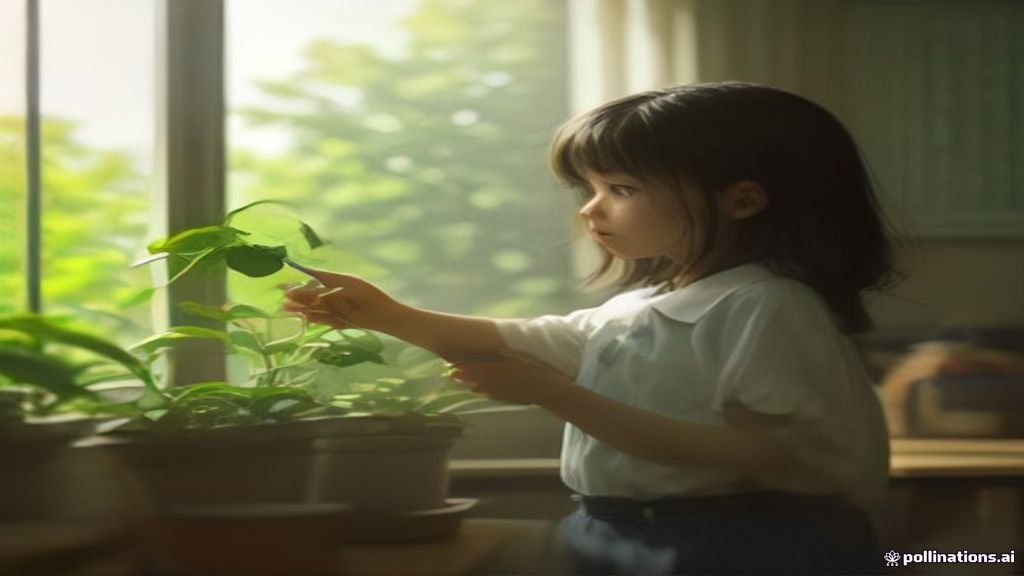
By late 1990, NASA had distributed these specialized kits to approximately 40,000 educational institutions across 40 nations, ultimately engaging an estimated 3.3 million students from primary schools through universities. Participating classrooms received both the space-flown seeds and control seeds, empowering students to conduct hands-on botanical experiments, track germination rates, and document physical variations under standardized classroom conditions.
Preliminary findings gathered from thousands of participating schools revealed that the space-exposed seeds exhibited a slightly accelerated initial germination rate compared to their Earth-bound counterparts. However, as the tomato plants matured over their natural life cycles, researchers and student investigators noted that significant structural or visual differences gradually diminished, with both groups eventually yielding healthy, normal fruit.
Beyond its botanical findings, the initiative established a major milestone for public engagement and citizen science in space exploration. The project demonstrated that involving students directly in authentic scientific research could yield substantial observational data while inspiring a new generation of scientists, engineers, and aerospace professionals.
Decades after its completion, the experiment remains one of the largest participatory science endeavors in history. The lessons learned continue to inform modern plant biology research conducted aboard the International Space Station, where researchers study sustainable crop production to support long-duration human spaceflight to the Moon and Mars.
Useful links
Tourism & Management · Citizen Responsibility · Skill Services · Ramesh Poudel
Published with WpNewblog — www.rameshpoudel.com
About the Author