25 September 2026 —
A landmark 29-year Colorado grassland warming study has revealed dramatic, long-term changes in mountain plant communities, proving that even modest temperature increases can fundamentally reorder high-altitude ecosystems. Researchers who spent decades simulating future atmospheric conditions discovered that continuous warming caused opportunistic woody shrubs to surge by 150 percent, while native grasses, colorful wildflowers, and essential subterranean fungi experienced steep declines.
Conducted in a high-elevation meadow within the Rocky Mountains of Colorado, the long-term field experiment continuously elevated surface temperatures by approximately 2 degrees Celsius above ambient conditions for nearly three decades. As one of the longest-running manipulated climate warming projects ever undertaken, the study provides scientists with crucial empirical data on how alpine vegetation responds to sustained thermal stress across multiple biological generations.
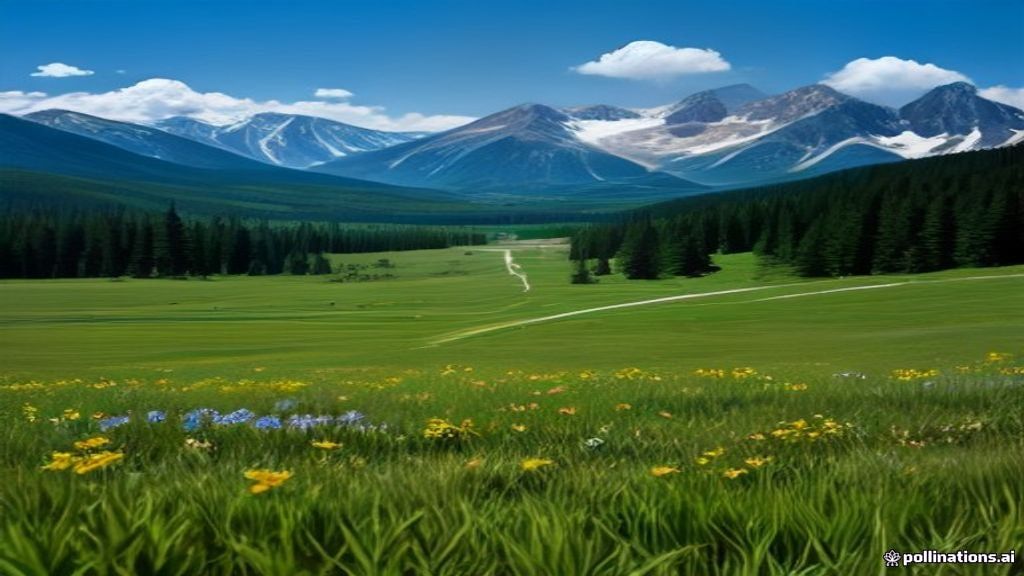
The findings illustrate a clear ecological shift in species dominance driven by persistent heat. As taller, deep-rooted shrubs rapidly expanded across the experimental plots, they outcompeted lower-growing grasses and delicate wild flora for sunlight, moisture, and soil nutrients. This conversion from diverse meadow habitat to dense shrubland radically alters the visual landscape and reduces ecological niches for specialized pollinators and native wildlife.
Equally concerning were the changes documented beneath the soil surface. Researchers observed a significant reduction in mycorrhizal fungi—vital microscopic organisms that form symbiotic networks with plant roots to exchange water and critical minerals. The loss of these fungi diminishes overall soil vitality and leaves remaining plant species far more vulnerable to severe drought and shifting weather patterns.
Ecologists warn that the expansion of shrubs in traditionally open grasslands creates positive climate feedback loops. Dense shrub cover absorbs higher levels of solar radiation compared to grass and alters winter snowpack distribution, which can heighten localized ground warming and accelerate soil organic matter decomposition.
Ultimately, the long-term experiment underscores the complex, cascading consequences of global thermal trends on delicate mountain habitats. Scientists emphasize that without targeted conservation strategies, high-altitude meadows throughout North America and global alpine regions may face irreversible degradation, threatening regional biodiversity and delicate watershed dynamics for decades to come.
Useful links
Tourism & Management · Citizen Responsibility · Skill Services · Ramesh Poudel
Published with WpNewblog — www.rameshpoudel.com
About the Author