28 September 2026 —
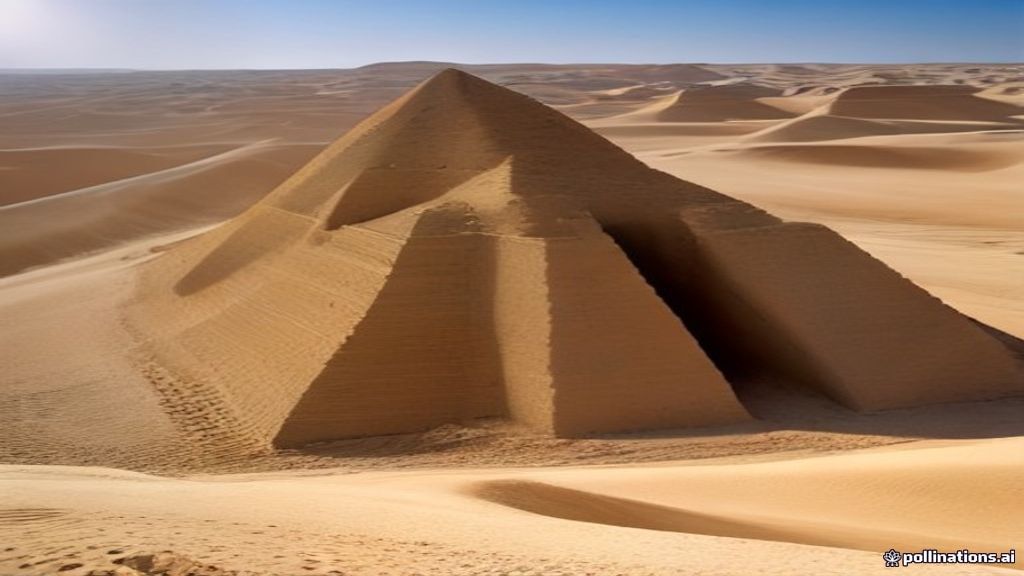
Archaeologists excavating in Egypt’s Western Desert have uncovered a rare 1,700-year-old Roman-era pyramid tomb at the ancient site of Bir Al-Shaghala in the Dakhla Oasis. The monument, constructed during the period of Roman rule in Egypt, showcases an extraordinary synthesis of Egyptian, Greek, and Roman traditions, offering fresh insights into the multicultural identity of the region during Late Antiquity.
Built primarily from mud bricks, the small yet significant monument features a pyramid structure that pays homage to classic Egyptian architectural traditions while integrating stylistic motifs characteristic of the Greco-Roman world. Excavation records indicate that the burial monument was originally constructed to house a married couple, demonstrating how local elite families adopted blended artistic and religious practices for their final resting places.
Inside the burial structure, researchers made one of the most compelling discoveries of the excavation: a rare Greek funerary poem preserved as an inscription. Dedicated to a man named Psychtis, the verses shed valuable light on the literary traditions, social standing, and linguistic diversity of the oasis population. The presence of Greek poetry inside an Egyptian-style monument underscores the deep cultural exchanges taking place across the Mediterranean empire.
Alongside the wall inscriptions, the archaeological team recovered a range of artifacts deeply connected to ancient ritualistic practices and everyday life. Among the notable finds was an intricately carved offering table, which was utilized during ancient funerary rites, as well as a well-preserved bronze coin. These artifacts provide crucial chronological markers that assist experts in pinpointing the monument’s period of active use.
The discovery at Bir Al-Shaghala highlights the vital role played by Egypt’s western oases as thriving hubs of cultural and economic activity rather than remote outposts. During the Roman era, these trade routes facilitated the flow of goods, ideas, and religious beliefs between the Nile Valley, North Africa, and the broader Mediterranean world.
Scholars and conservation teams are continuing their work at the Dakhla Oasis site to preserve the fragile mud-brick structure and analyze the remaining artifacts. Further study of the inscriptions and physical remains is expected to yield additional details regarding the lives, beliefs, and social hierarchies of those who inhabited this desert crossroads centuries ago.
Useful links
Tourism & Management · Citizen Responsibility · Skill Services · Ramesh Poudel
Published with WpNewblog — www.rameshpoudel.com
About the Author