
26 September 2026 —
Researchers at Colorado State University have uncovered a highly lucrative synergy in urban agrivoltaics, demonstrating that cultivating saffron under solar panels can double agricultural output compared to traditional unshaded growing environments. The pioneering study shows that combining high-value crop cultivation with rooftop solar power generation offers a transformative approach to addressing land constraints in metropolitan areas while advancing both clean energy and urban food production.
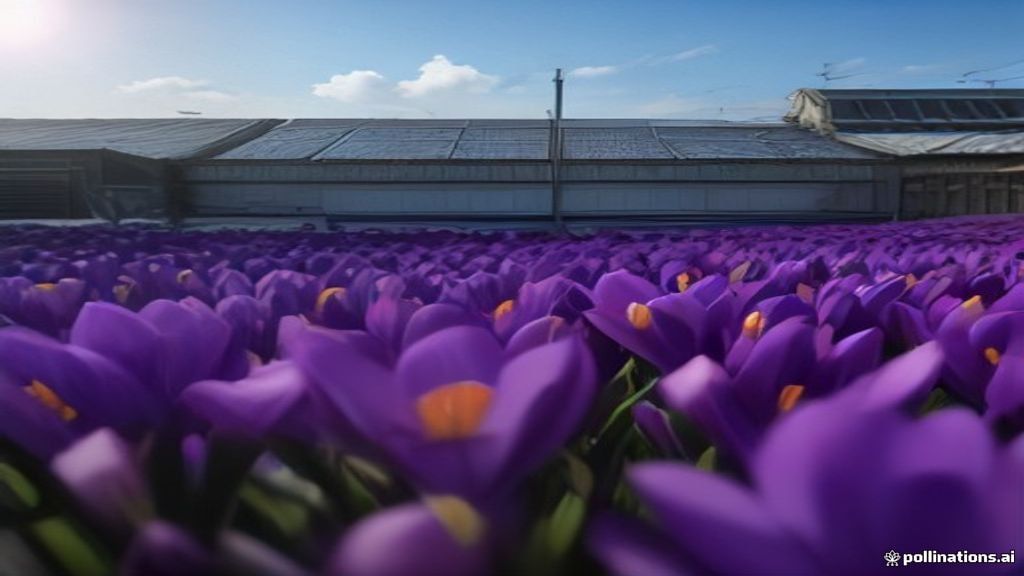
Saffron, widely acknowledged as the world’s most expensive spice, proved uniquely suited to the microclimate created by photovoltaic installations. According to the research team, the semi-shaded conditions beneath elevated solar panels protect the delicate flowering plants from intense sun exposure and excessive heat stress. This moderated environment reduces soil moisture evaporation and creates optimal conditions for saffron crocus blooms, leading to a dramatic surge in harvest volumes.
Financial models developed during the study indicate that integrating saffron farming with solar generation could yield approximately $60,000 in net revenue over a five-year period. By producing high-value culinary spices alongside zero-emission electricity on a single shared footprint, property owners and urban farmers can maximize spatial efficiency and secure substantial dual-stream returns.
The findings mark a significant milestone for agrivoltaics, a discipline that seeks to harmoniously marry agricultural production with solar energy hardware. While agrivoltaic practices have traditionally been tested in rural farmland settings, applying the technology to urban rooftops addresses pressing metropolitan challenges, including high land costs, localized heat island effects, and limited space for green development.
Despite the optimistic production metrics, the researchers acknowledged several operational hurdles that must be addressed before widespread commercial adoption can occur. Structural engineering requirements for rooftop loads, substantial upfront installation costs, and routine maintenance accessibility present ongoing challenges. Nevertheless, the study highlights a promising path forward for sustainable urban infrastructure that combines clean power generation with high-margin agriculture.
Useful links
Tourism & Management · Citizen Responsibility · Skill Services · Ramesh Poudel
Published with WpNewblog — www.rameshpoudel.com
About the Author