17 September 2026 —
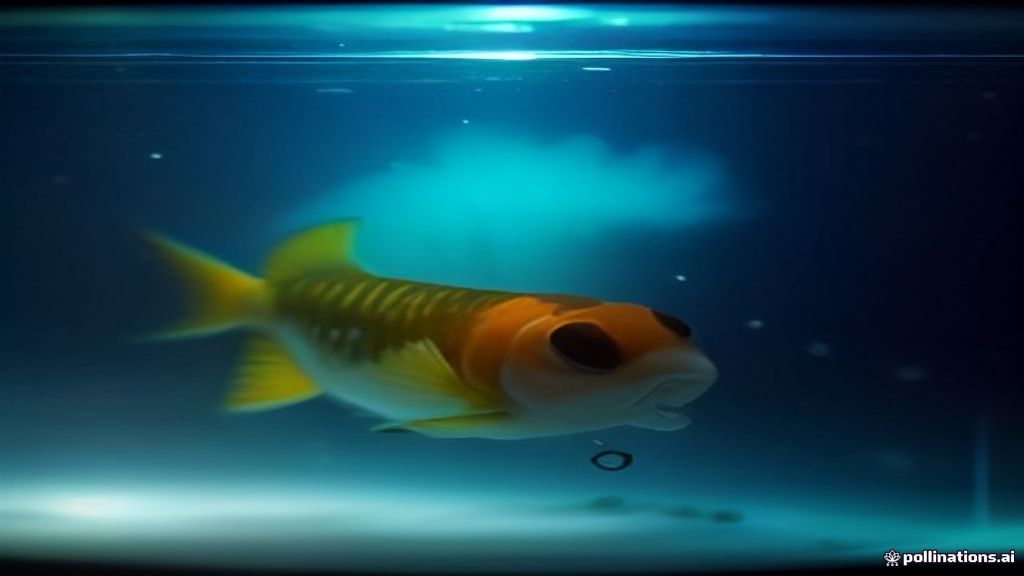
A landmark guppy space experiment conducted in 1983 revealed that exposure to microgravity does not impede aquatic reproduction or gestational development. Three pregnant guppies spent five days in Earth orbit as part of an early biological study examining how living organisms adapt to spaceflight. Upon returning safely to Earth, one of the female guppies successfully delivered 25 healthy fry, subsequently going on to produce six additional normal broods over her lifespan.
The study was designed to investigate the biological impacts of weightlessness on complex physiological systems, specifically focused on vertebrate embryonic development. During the five-day orbital journey, environmental conditions were carefully monitored to assess whether zero gravity would alter cellular behavior, induce developmental anomalies, or result in reproductive failure among live-bearing aquatic species.
Following re-entry, researchers conducted detailed health evaluations on the returning organisms. The female guppy that maintained her pregnancy throughout the orbital mission delivered her first brood of 25 fully formed fry shortly after landing. Her ability to later generate six more broods demonstrated that short-term exposure to space caused no permanent reproductive harm or physiological dysfunction.
Scientists observed that the newborn fry displayed normal swimming mechanics, structural balance, and development rates identical to terrestrial control groups. The results confirmed that key reproductive and gestational pathways in vertebrates could withstand the mechanical stresses of rocket launches alongside the physical strain of weightlessness.
These historical findings provided foundational data for modern space biology and life-support research. Today, scientists aboard the International Space Station continue to build upon these early experiments, investigating how various animal species reproduce and thrive during long-duration missions into deep space.
Useful links
Tourism & Management · Citizen Responsibility · Skill Services · Ramesh Poudel
Published with WpNewblog — www.rameshpoudel.com
About the Author