18 September 2026 —
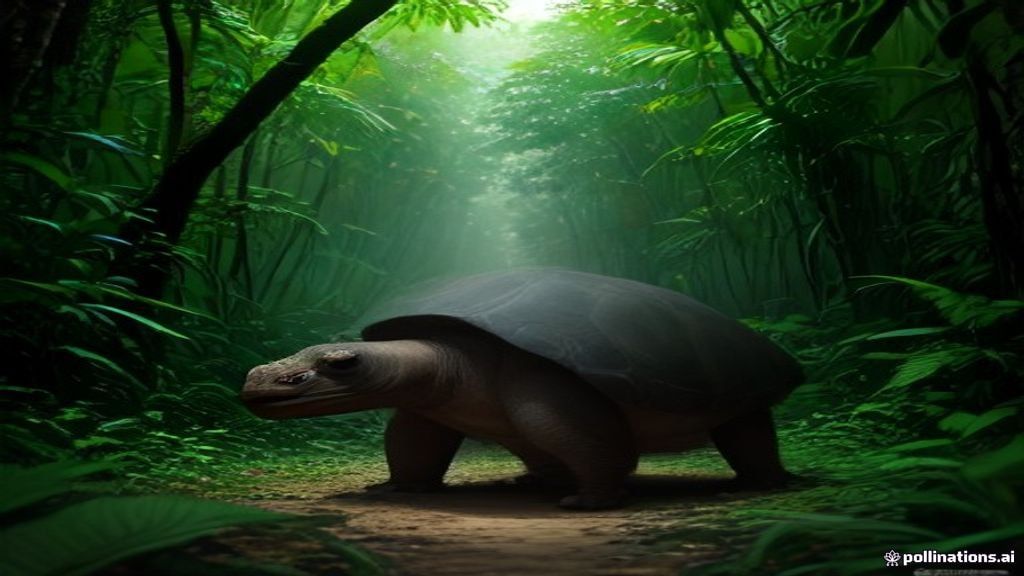
In a remarkable triumph for ecological rewilding, a growing population of Madagascar giant tortoises established from just 12 founding individuals is exhibiting an unexpected surge in genetic diversity among its first generation of locally born offspring. The conservation project, initially launched in 2018, was designed to restore critical ecosystem functions that were lost when Madagascar’s native mega-herbivores went extinct centuries ago.
Endemic giant tortoise species once roamed Madagascar in vast numbers before vanishing around 600 years ago due to human activity and environmental pressures. To fill this ecological void, researchers and conservationists introduced 12 Aldabra giant tortoises to the Anjajavy Reserve in northwestern Madagascar. Because population bottlenecks typically lead to severe inbreeding and reduced genetic health, scientists remained cautious about the long-term viability of such a limited founder group.
However, recent genetic screening of the young hatchlings has revealed extraordinarily high levels of genetic variation. Researchers attribute this positive outcome to a well-balanced contribution from all 12 founder adults, as well as an optimal combination of distinct genetic lineages within the original group. This surprisingly rich genetic pool equips the juvenile population with greater resilience against diseases and changing environmental conditions.
Beyond saving a iconic species, the successful establishment of these heavy-bodied reptiles plays a transformative role in ecosystem restoration. As natural land managers, the tortoises consume large quantities of vegetation, disperse native seeds across expansive ranges, and clear dry underbrush. Their natural grazing habits significantly lower the risk of destructive wildfires while promoting biodiversity among native flora.
The successful breeding program offers a compelling blueprint for modern rewilding initiatives globally, demonstrating that small founder groups can produce genetically healthy offspring under proper management. Conservation biologists plan to continue tracking the offspring as they mature, with long-term goals of establishing self-sustaining wild populations across suitable habitats in Madagascar.
Useful links
Tourism & Management · Citizen Responsibility · Skill Services · Ramesh Poudel
Published with WpNewblog — www.rameshpoudel.com
About the Author