3 October 2026 —
A landmark ecological engineering initiative in Essex has achieved unprecedented success, as the Wallasea Island wetland restoration project recorded a historic peak of 39,000 wintering birds. The milestone comes exactly ten years after engineered sea walls were intentionally breached, allowing tidal waters to submerge low-lying farmland and reconstruct a vibrant coastal sanctuary on the southeast coast of England.
The ambitious transformation relied on an extraordinary cross-sector partnership between environmental conservationists and urban infrastructure developers. More than three million tonnes of dirt and rock excavated during the construction of London’s Elizabeth line railway were shipped via barges down the River Thames to the site. This massive logistical effort repurposed subterranean waste into the physical bedrock needed to elevate land levels and sculpt diverse intertidal landscapes.
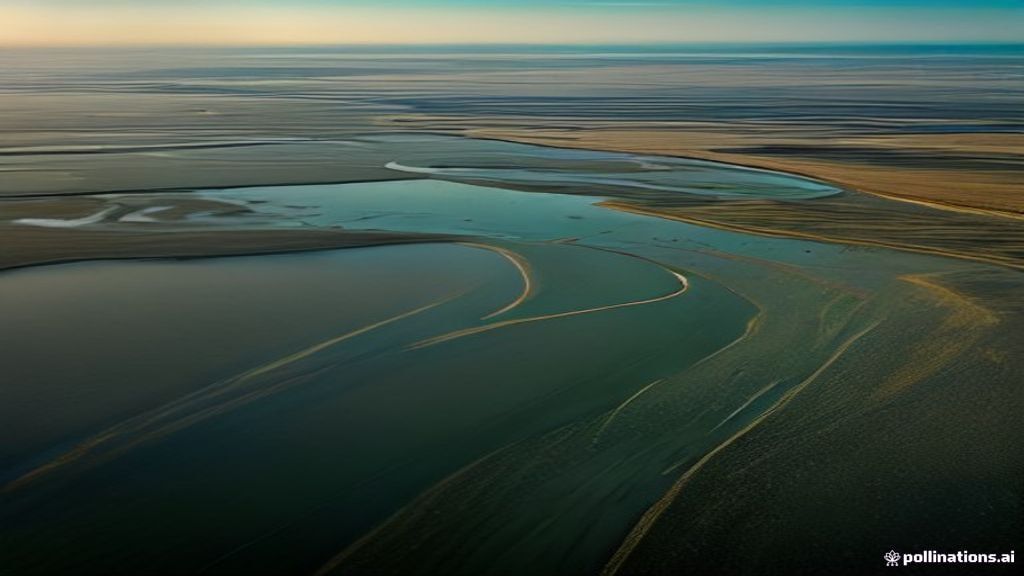
Managed by the Royal Society for the Protection of Birds (RSPB), the Wallasea Island reserve now encompasses a rich mosaic of salt marshes, mudflats, islands, and saline lagoons. Recent ecological monitoring revealed that the habitat supports thriving populations of vulnerable avian species, including thousands of knot, avocets, grey plovers, and bar-tailed godwits that rely on the mudflats for vital nourishment during winter migrations.
Prior to the intervention, centuries of agricultural embankments had isolated the island from natural marine cycles, degrading the native ecosystem. By reintroducing coastal flooding, project leaders aimed to recreate historical wilderness areas that had been systematically lost to human development and rising sea levels over the last several centuries across the British coastline.
In addition to establishing a sanctuary for migratory wildlife, the restored coastal wetlands function as a natural barrier against severe weather and climate change. Salt marshes absorb destructive wave energy, reducing storm surge risks for surrounding inland communities, while acting as potent blue carbon sinks that capture and permanently lock away atmospheric carbon dioxide.
Conservation experts view the successful outcome at Wallasea Island as a crucial blueprint for future infrastructure projects worldwide. By turning mega-project spoil into ecological assets, the project proves that large-scale industrial development can actively drive biodiversity recovery and environmental resilience when planned with ecological priorities in mind.
Useful links
Tourism & Management · Citizen Responsibility · Skill Services · Ramesh Poudel
Published with WpNewblog — www.rameshpoudel.com
About the Author