
3 October 2026 —
Seabird bycatch reduction efforts have taken a major step forward after researchers demonstrated that simple floating scarecrows and soaring kites can dramatically decrease accidental bird deaths in fishing gear. According to recent scientific findings, deploying a floating scarecrow device alongside fishing nets cut seabird mortality by 59 percent, while lightweight kite deterrents achieved an impressive 71 percent reduction.
Accidental capture in commercial fishing equipment, known across the industry as bycatch, represents one of the most severe survival threats to diving seabirds worldwide. Ocean species such as shearwaters, guillemots, and gannets frequently dive toward submerged fishing nets in pursuit of caught fish, becoming entangled and drowning. Marine conservationists and fisheries managers have long searched for low-cost, practical solutions to prevent these fatal encounters without compromising commercial fish yields.
To address the crisis, researchers evaluated two visual scare devices anchored near active fishing zones to warn approaching birds away from hazardous underwater nets. The floating scarecrow device features a buoyant surface structure fitted with bright, dynamic elements designed to create visual disturbance where the fishing gear is anchored. This continuous movement deters birds from plunging into the immediate high-risk diving zones.
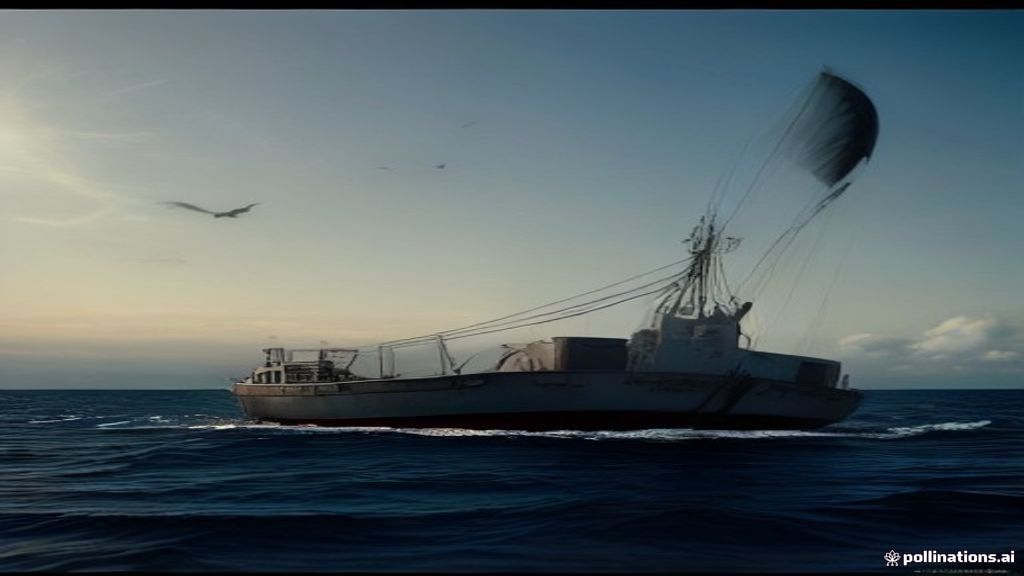
Even more successful was the aerial kite system, which achieved a 71 percent decrease in bird mortality. Suspended above fishing vessels or buoy lines, these kites move unpredictably in the sea breeze, effectively mimicking natural aerial predators like large raptors. Seabirds instinctively avoid hovering predator threats, prompting them to keep a safe distance from the surface waters where net lines pose unseen dangers.
Scientists and policy experts highlight that these non-invasive devices offer an affordable, scalable victory for marine biodiversity and commercial fisheries alike. Unlike complex structural equipment changes or restrictive nighttime fishing mandates, floating scarecrows and kite systems require minimal capital investment and can be rapidly integrated into both artisanal coastal fleets and large industrial operations.
As global environmental agencies push for stricter ocean sustainability standards, the widespread adoption of visual bird deterrents could prove pivotal. Researchers are now calling for broader international field trials across diverse marine ecosystems to standardize the technology and safeguard vulnerable seabird populations globally.
Useful links
Tourism & Management · Citizen Responsibility · Skill Services · Ramesh Poudel
Published with WpNewblog — www.rameshpoudel.com
About the Author