16 September 2026 —
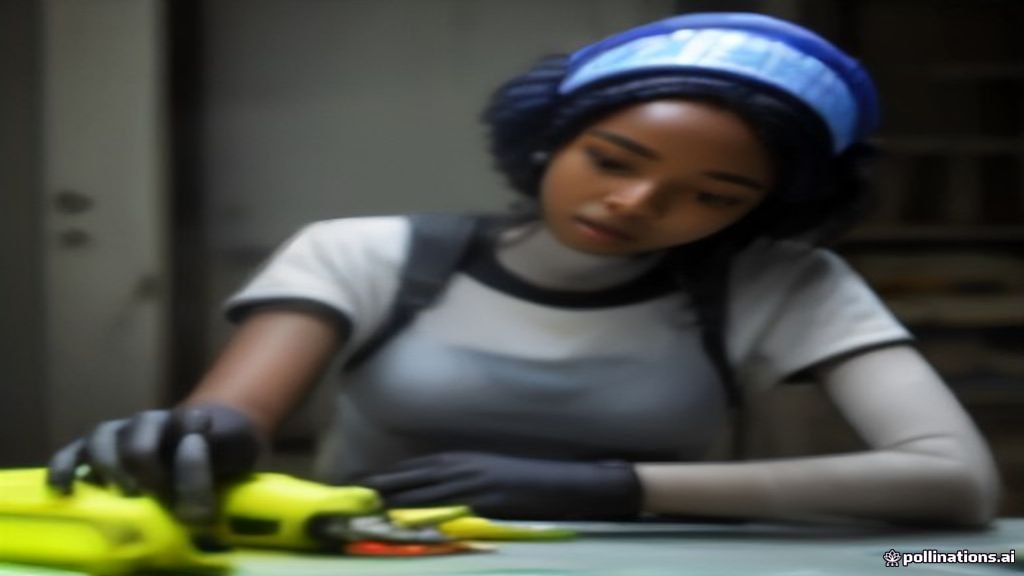
A 22-year-old engineer in Kenya has engineered innovative robotic hands for deaf children designed to convert spoken speech into sign language during classroom lessons. Constructed from 3D-printed recycled plastic materials, the breakthrough technology seeks to remove widespread communication hurdles and significantly enhance educational opportunities for hearing-impaired students in under-resourced schools.
The pioneering mechanism operates by collecting the sound of an instructor’s voice through a precise microphone interface. An internal processing system converts the audio input into automated commands, instructing mechanical joints in the hands and fingers to execute corresponding sign language movements in real time. This immediate translation helps students keep pace with standard academic curricula without relying entirely on specialized human assistance.
By incorporating localized plastic waste into the additive manufacturing process, the project tackles environmental pollution while dramatically lowering production costs. Traditional assistive devices and specialized educational equipment are frequently out of reach for families and public institutions in the region. The use of low-cost recycled filament renders the robotic assembly far more accessible to community schools seeking inclusive teaching tools.
Educational advocates note that the severe shortage of trained sign language interpreters poses a major challenge to inclusive schooling across many developing nations. Automated assistive devices present a scalable and reliable supplementary solution that helps foster equal learning opportunities for students with special needs in general education environments.
The project has drawn widespread praise from local educators and technology enthusiasts, who view it as a vital step toward modernizing special education infrastructure across East Africa. Early trial demonstrations in regional learning centers have shown promising results in keeping students engaged and attentive during standard teaching sessions.
This landmark achievement underscores the vital role young African innovators play in employing localized technology and eco-friendly design to resolve complex social challenges. The engineer is currently refining the robotic prototype to increase movement fluidity, expand the pre-programmed sign language vocabulary, and reduce overall equipment weight for improved classroom portability.
Useful links
Tourism & Management · Citizen Responsibility · Skill Services · Ramesh Poudel
Published with WpNewblog — www.rameshpoudel.com
About the Author