15 September 2026 —
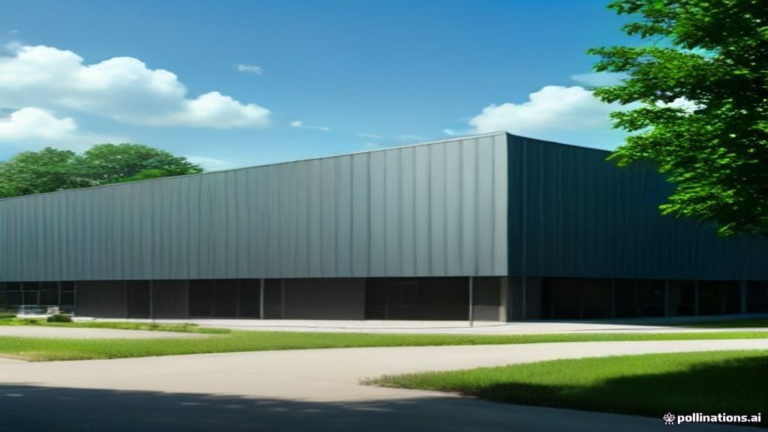
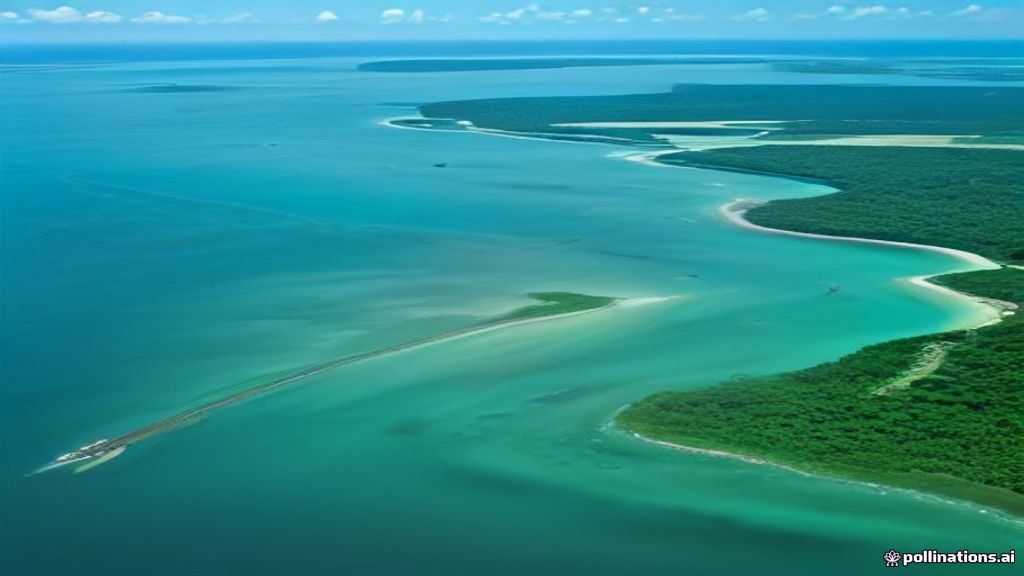
Facing severe land constraints, Singapore has transformed its waste management approach by turning incinerated garbage ash into a thriving 350-hectare artificial island. The Semakau Landfill, situated off the city-state’s southern coast, demonstrates how large-scale industrial waste disposal can successfully coexist with vibrant natural ecosystems while addressing critical urban land scarcity.
The ambitious project was initiated by enclosing sea space between two existing offshore islets with a perimeter rock dike lined with impermeable membranes. Every day, municipal solid waste gathered across the nation is processed at high-temperature incineration plants, reducing its physical volume by roughly 90 percent. The remaining ash, along with non-combustible waste, is transported by covered barges to the offshore site, where it is deposited into specialized cells designed to prevent marine contamination.
Over the years, the site has unexpectedly evolved into a biodiverse sanctuary for coastal fauna and flora. Environmental assessments reveal that extensive coral reefs surrounding the perimeter continue to flourish, while replanted mangrove habitats serve as natural water filters and nurseries for aquatic organisms. The artificial ecosystem now supports various species of migratory birds, sea anemones, crustacean life, and delicate marine organisms that thrive alongside active disposal operations.
To preserve the surrounding aquatic environment, environmental agencies enforce rigorous monitoring systems. Impermeable clay linings and continuous water quality sampling ensure that heavy metals and pollutants remain contained within the landfill cells. The success of the marine life around the perimeter serves as living proof that strict containment protocols can effectively protect surrounding waters from industrial leachate.
As urban centers globally grapple with swelling waste volumes and spatial limits, Singapore’s integrated approach offers a practical model for sustainable infrastructure. Nevertheless, environmental officials estimate that the current capacity of the site will be exhausted by 2035. In response, the nation is intensifying efforts toward zero-waste policies, enhanced recycling, and alternative ash utilization techniques to prolong the operational lifespan of its unique offshore island.
Useful links
Tourism & Management · Citizen Responsibility · Skill Services · Ramesh Poudel
Published with WpNewblog — www.rameshpoudel.com
About the Author