
3 October 2026 —
Environmental scientists in Australia have achieved a major conservation milestone after a large-scale Murray River restoration project led to a dramatic recovery of native fish populations. Over a seven-year monitoring initiative, researchers installed thousands of submerged timber structures along a 110-kilometer reach of the river, successfully tripling the abundance of Murray cod and doubling golden perch densities.
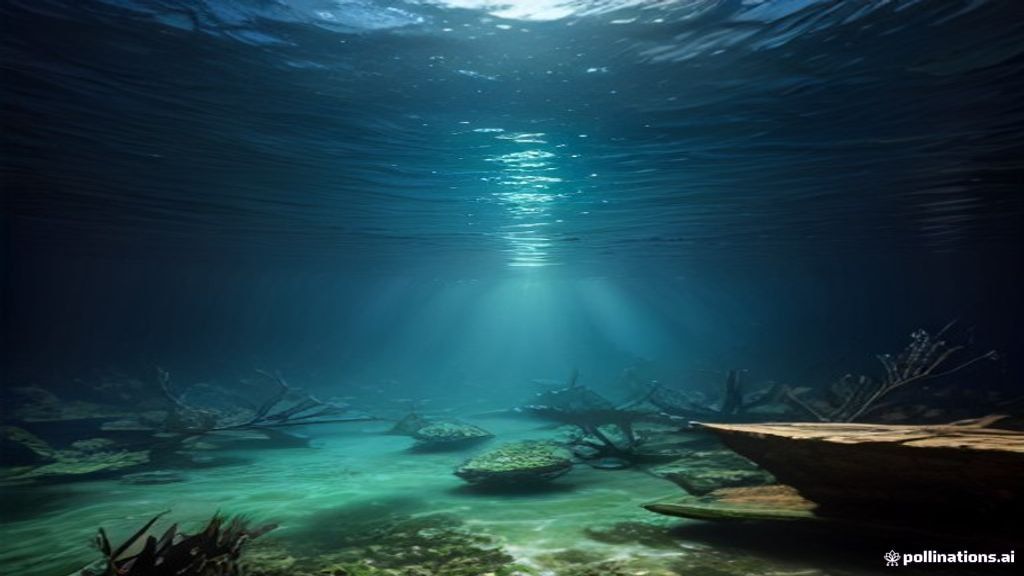
Historically, Australia’s major river channels suffered severe habitat degradation due to the systematic removal of fallen trees and submerged logs, a practice historically known as desnagging. These underwater wooden formations provide vital shelter, breeding sites, and hunting grounds for native aquatic species. By strategically returning 4,450 large pieces of timber to the riverbed, ecological teams successfully reconstructed the complex physical environment that native species rely on for survival.
The findings demonstrate that returning natural structural complexity to river channels triggers a substantial ecological rebound. Over the seven-year assessment period, researchers documented that Murray cod—Australia’s largest apex freshwater fish—tripled in numbers within the enhanced zone. In tandem, populations of golden perch doubled, confirming that targeted physical interventions can dramatically accelerate wildlife recovery in degraded freshwater systems.
Ecologists highlighted that the surge in fish numbers was driven by a combination of local reproduction and immigration. The restored stretch of the river successfully attracted fish from connected neighboring source populations. Offered superior refuge from predators and better foraging conditions, migrating fish settled in the newly restored habitats, improving ecological connectivity across the wider river system.
The resounding success of this landscape-scale intervention offers a practical model for river managers worldwide. Conservation experts argue that large-scale physical habitat restoration offers a far more sustainable, resilient strategy for rebuilding freshwater biodiversity than relying solely on traditional fish hatchery stocking programs.
As rising temperatures and intensive water extraction continue to pressure Australia’s vital river systems, this research illustrates that degraded aquatic environments retain an exceptional capacity for self-repair when given the necessary physical foundation. Environmental authorities are now examining how to scale these timber-based rewilding techniques across other impacted river basins nationwide.
Useful links
Tourism & Management · Citizen Responsibility · Skill Services · Ramesh Poudel
Published with WpNewblog — www.rameshpoudel.com
About the Author