
26 September 2026 —
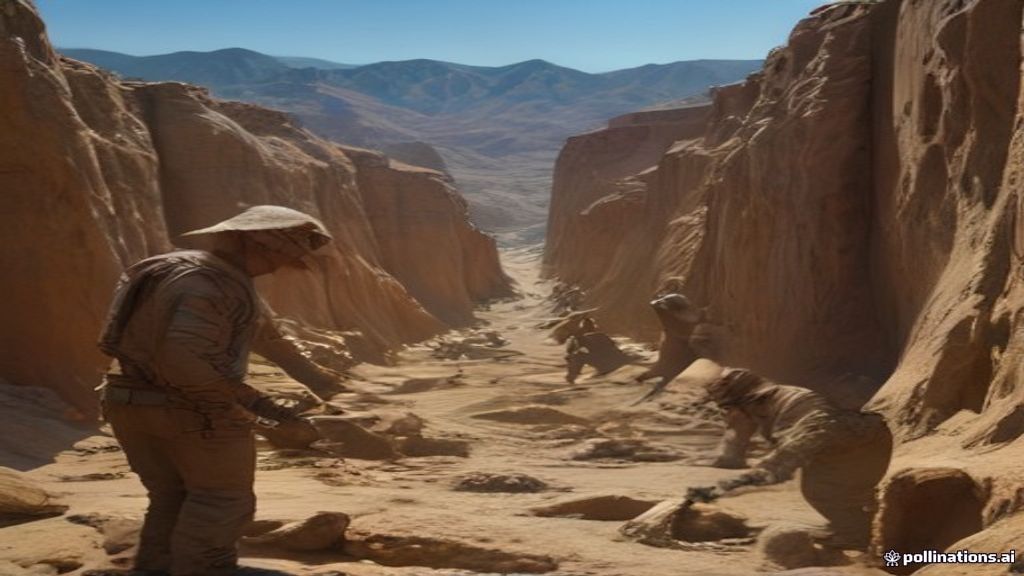
A recent California fossil discovery has unveiled the ancient remains of a massive prehistoric mammal beneath a construction site in Oceanside. Excavation crews working on an infrastructure project uncovered limb bones, ribs, and skeletal fragments buried approximately 12 feet deep within the sedimentary rock of the Santiago Formation. Paleontologists estimate the fossils could be up to 45 million years old, offering a rare glimpse into the prehistoric ecosystem of North America’s western coastline.
The unexpected find occurred during routine subterranean digging for local municipal improvements. Upon encountering the hard fossilized material, crew members alerted paleontological monitors assigned to oversight duties for the project. Operations were temporarily halted in the immediate vicinity to allow specialized teams to inspect, secure, and carefully excavate the surrounding geological layer.
Initial field examinations by researchers indicate that the bones belonged to a large, hoofed herbivore that inhabited the region during the Eocene epoch. During this geological era, Southern California featured a vastly different environment, characterized by warm, humid conditions and lush subtropical vegetation. Scientists currently speculate that the remains may belong to an ancient brontothere—a heavy-bodied creature colloquially known as a “thunder beast”—or a primitive relative of the swamp rhinoceros.
Brontotheres were formidable mammals distantly related to modern horses and rhinos, often featuring large, blunt horns on their snouts. Confirming the precise species will require months of meticulous laboratory work, including cleaning the matrix rock away from the fossil surface, performing high-resolution digital scans, and conducting detailed comparative analyses against existing museum specimens across North America.
The Santiago Formation is well-regarded among researchers for preserving both marine and terrestrial specimens from millions of years ago. Discoveries of land-dwelling mammals in this specific rock stratum are especially valuable, as they provide critical data regarding species distribution, evolutionary adaptations, and climate conditions in coastal regions during the ancient Cenozoic era.
The extracted bone fragments have been safely transported to a regional paleontological facility for long-term preservation and study. Project directors confirmed that construction in Oceanside will proceed with continued paleontological monitoring, ensuring that any further prehistoric remains hidden beneath the earth are properly safeguarded and documented for science.
Useful links
Tourism & Management · Citizen Responsibility · Skill Services · Ramesh Poudel
Published with WpNewblog — www.rameshpoudel.com
About the Author