22 September 2026 —
A long-term Bonaire forest restoration initiative has revealed that simply excluding feral herbivores is insufficient to fully restore degraded tropical ecosystems. After 15 years of restricting goat access using protective fencing, researchers discovered that while young trees established in protected zones, only 22 of the island’s 60 native tree species managed to return naturally without direct human assistance.
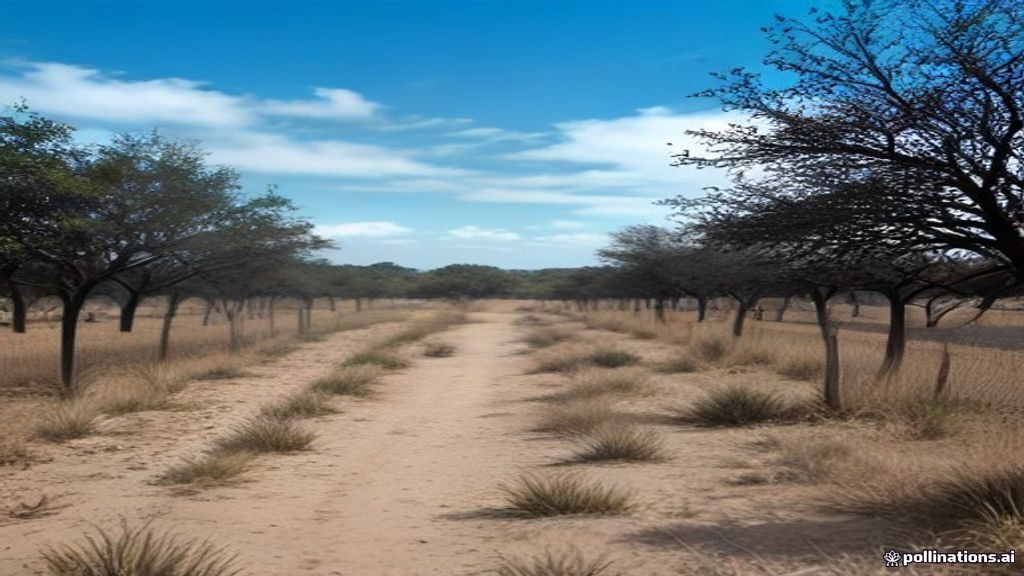
The study underscores the ecological challenges facing the Caribbean island’s dry forest landscape, which has endured centuries of severe overgrazing by introduced livestock. Feral goats have historically consumed emerging saplings before they could mature, effectively halting natural forest regeneration and severely reducing local plant biodiversity. In response, conservationists established fenced enclosures and targeted goat removal programs to evaluate how effectively the ecosystem could self-heal once grazing pressure was lifted.
While the removal of herbivore pressure enabled a subset of resilient tree species to bounce back, natural seed dispersal mechanisms proved inadequate for the vast majority of original flora. Factors such as the absence of nearby mature seed trees, degraded soil conditions, and limited seed vector movement prevented dozens of native species from re-establishing on their own. As a result, passive conservation methods proved insufficient to rebuild the full diversity of the native forest.
To overcome these natural limitations, environmental researchers initiated an active planting strategy, introducing thousands of nursery-grown native seedlings into the fenced plots. Follow-up monitoring demonstrated high survival and growth rates among the cultivated saplings across various test locations, proving that direct reintroduction can successfully bridge the gaps left by natural succession.
Scientists involved in the project emphasize that long-term ecological resilience requires an integrated approach that pairs invasive species management with proactive planting and sustained community involvement. The findings from Bonaire offer crucial guidance for island conservation strategies worldwide, demonstrating that while removing invasive threats is a necessary first step, active intervention is essential to achieve complete ecosystem recovery.
Useful links
Tourism & Management · Citizen Responsibility · Skill Services · Ramesh Poudel
Published with WpNewblog — www.rameshpoudel.com
About the Author