
17 September 2026 —
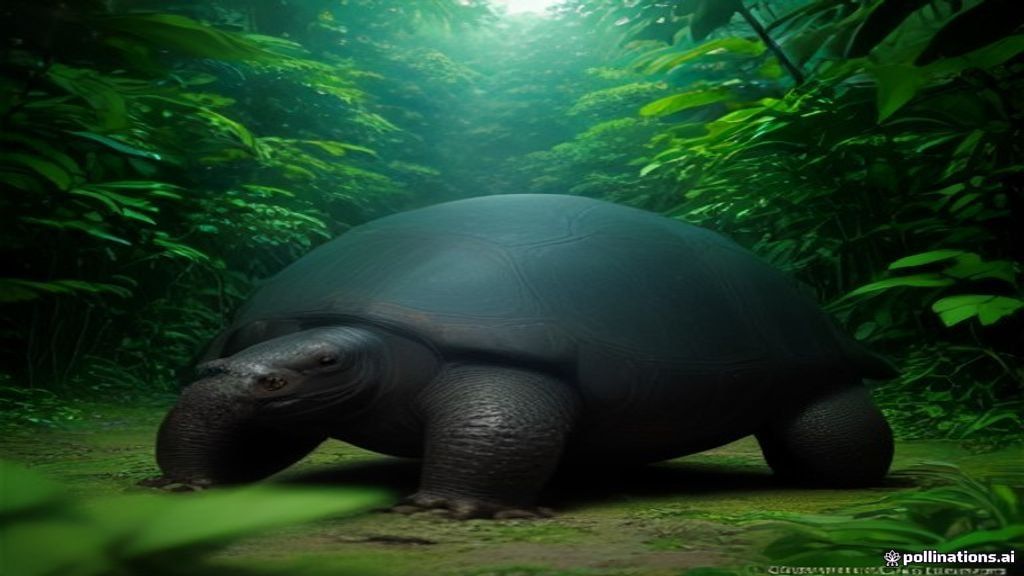
Galapagos giant tortoises have officially returned to Floreana Island after a 180-year absence, marking one of the most ambitious ecological restoration achievements in modern history. The historic reintroduction brings a vital native species back to its ancestral habitat nearly two centuries after human exploitation drove the island’s original population to local extinction.
During the 18th and 19th centuries, crews aboard whaling ships, merchant vessels, and pirate boats frequently harvested the massive reptiles for fuel and food. Capable of surviving for months without nourishment, tens of thousands of tortoises were taken aboard ships as a fresh meat supply. By the mid-1800s, excessive harvesting combined with the introduction of non-native predators like rats, feral cats, and pigs completely destroyed the native Floreana tortoise population.
The path toward restoring the animals began when geneticists discovered tortoises on Isabela Island’s Wolf Volcano possessing strong Floreana ancestry. Researchers concluded that 19th-century mariners had dumped surplus tortoises offshore, allowing their descendants to survive. Conservationists subsequently launched a careful selective breeding initiative at the Santa Cruz breeding center to preserve and amplify those key genetic traits.
Prior to returning the young giant tortoises to their native habitat, conservation organizations completed a comprehensive eradication campaign to remove invasive predators from Floreana. Eliminating those destructive species was essential to ensure that newly released juvenile tortoises could forage safely and establish sustainable wild populations without threat to their nests.
As dominant megaherbivores, giant tortoises serve a critical function as ecosystem engineers on the islands. Through grazing, clearing brush, and spreading seeds across vast areas, the reintroduced reptiles are expected to rejuvenate Floreana’s native flora while creating favorable living conditions for local birds and reptiles.
Environmental scientists view this successful rewilding project as a landmark victory for international wildlife conservation. The accomplishment proves that combining genetic research, habitat restoration, and aggressive management of invasive species can reverse historical extinctions and restore fragile island ecosystems.
Useful links
Tourism & Management · Citizen Responsibility · Skill Services · Ramesh Poudel
Published with WpNewblog — www.rameshpoudel.com
About the Author