16 September 2026 —
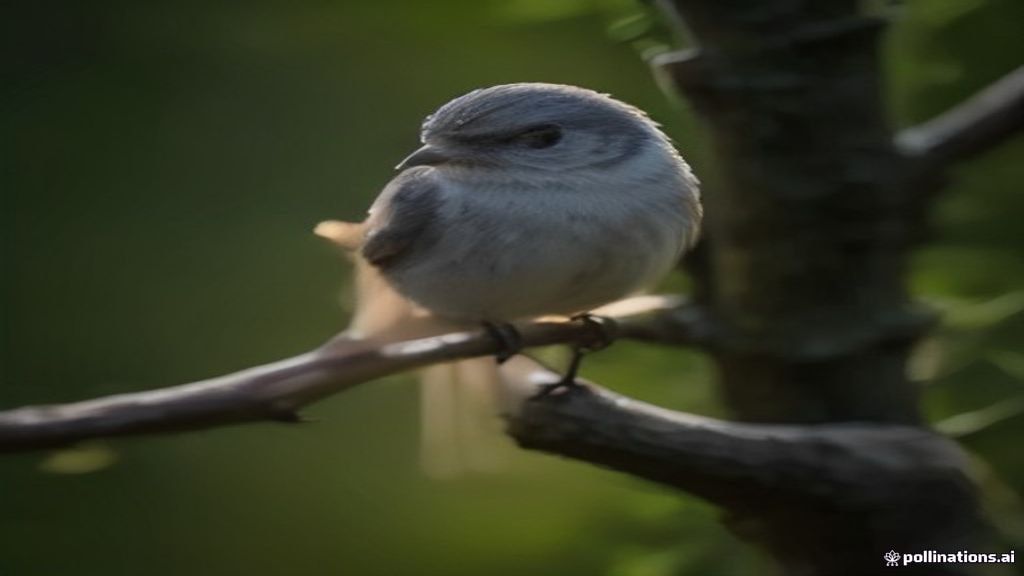
Ornithologists and biological researchers have long highlighted the remarkable evolutionary adaptations explaining how birds sleep in trees without falling from elevated perches. While human balance depends on conscious brain activity and constant muscular adjustment, avian species rely on an automated, highly efficient physical mechanism that locks their feet into position, guaranteeing security from ground predators throughout the night.
Central to this nocturnal stability is a specialized musculoskeletal framework located in the legs and feet of perching birds. As a bird lowers its body onto a tree limb to rest, the natural bending of its knees and ankles exerts immediate mechanical tension on the flexor tendons running down the back of the leg. This tightening action automatically forces the toes to clamp firmly around the branch, establishing an unyielding grip.
This anatomical feature, known to scientists as the automatic perching mechanism, functions entirely without active muscle strain or conscious thought from the resting animal. Because the bird’s own body weight maintains the tendon tension, the involuntary grip remains securely locked for hours. The mechanism only unlocks when the bird intentionally straightens its legs to stand up and take flight, ensuring that even severe weather or swaying branches will not dislodge the sleeping bird.
Beyond tendon mechanics, overall foot geometry and center of gravity play crucial roles in maintaining equilibrium during sleep. Most perching bird species feature a anatomical arrangement of three forward-pointing toes and one backward-pointing toe. This configuration creates a wide support base that distributes body mass evenly across the limb, mitigating the destabilizing effects of sudden wind gusts.
Thermal regulation also intersects with these mechanical adaptations to influence resting behavior. In colder climates, many birds routinely tuck one leg high into their insulated chest plumage to conserve core body heat while sleeping. Remarkably, the automatic locking tendon allows them to maintain an unwavering single-legged balance on a moving branch throughout the night without expending vital energy reserves.
Useful links
Tourism & Management · Citizen Responsibility · Skill Services · Ramesh Poudel
Published with WpNewblog — www.rameshpoudel.com
About the Author