
4 October 2026 —
Marine scientists exploring the South Atlantic Ocean off the eastern coast of Argentina have uncovered 57 new deep-sea species, revealing a vibrant and previously hidden underwater ecosystem within the Mar del Plata Submarine Canyon. The landmark research expedition deployed state-of-the-art robotic submersibles to survey extreme ocean depths, retrieving pristine biological samples that fundamentally broaden scientific knowledge of deep-water habitats in the region.
Executed at immense ocean depths, the mission relied heavily on advanced remotely operated vehicles capable of enduring high hydrostatic pressure and complete darkness. As the submersible navigated the steep walls and benthic floors of the canyon, it gathered an extraordinary array of marine life. Beyond individual species identifications, researchers confirmed the discovery of five entirely unclassified taxonomic genera, signaling a profound level of biological novelty within the South Atlantic abyss.
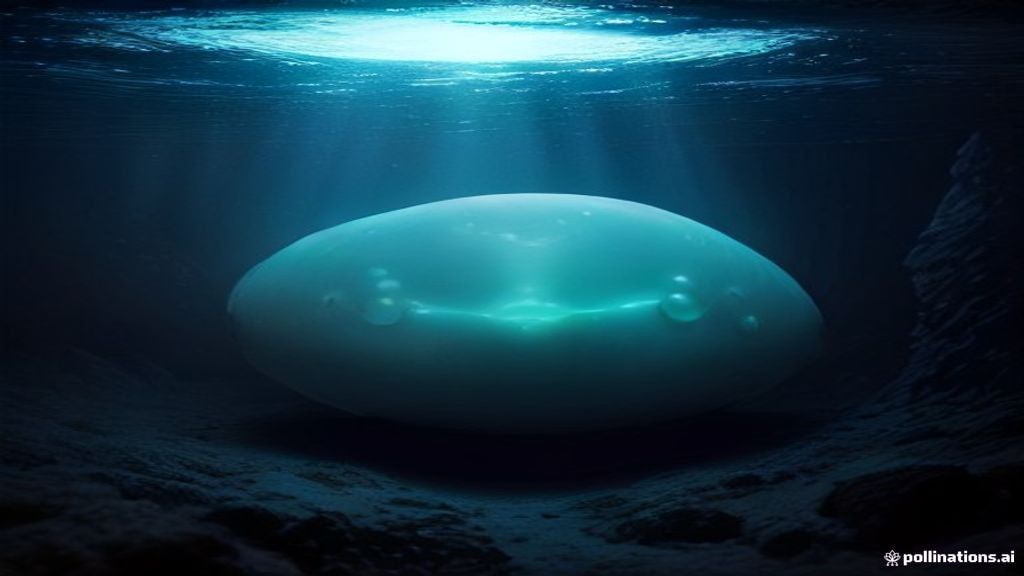
Among the extraordinary findings was a unique, highly translucent sea cucumber that immediately captured the imagination of the research team. Featuring a delicate, semi-clear bodily structure suited for life in extreme depths, scientists playfully nicknamed the creature “Loki.” The specimen stands out as a prime example of the specialized evolutionary adaptations required for survival in cold, nutrient-isolated deep-sea environments.
Following the physical gathering of samples at sea, the research initiative transitioned into an intensive analytical phase supported by an international collaborative workshop. Bringing together specialized taxonomists, marine biologists, and genetic analysts, the workshop allowed experts to pool knowledge and significantly accelerate the rigorous species classification process. This collaborative approach proved vital for rapidly processing complex biological data and confirming the novel taxonomy of the specimens.
The Mar del Plata Submarine Canyon represents one of the most prominent deep-water geographical features off the South American continent, acting as a crucial hotspot for marine nutrients. Despite its ecological significance, substantial areas of the seabed remain unexplored. Researchers emphasize that these baseline biological discoveries highlight the imperative for continued deep-sea exploration and enhanced ocean stewardship to protect fragile benthic ecosystems from future environmental pressures.
Useful links
Tourism & Management · Citizen Responsibility · Skill Services · Ramesh Poudel
Published with WpNewblog — www.rameshpoudel.com
About the Author