
19 September 2026 —
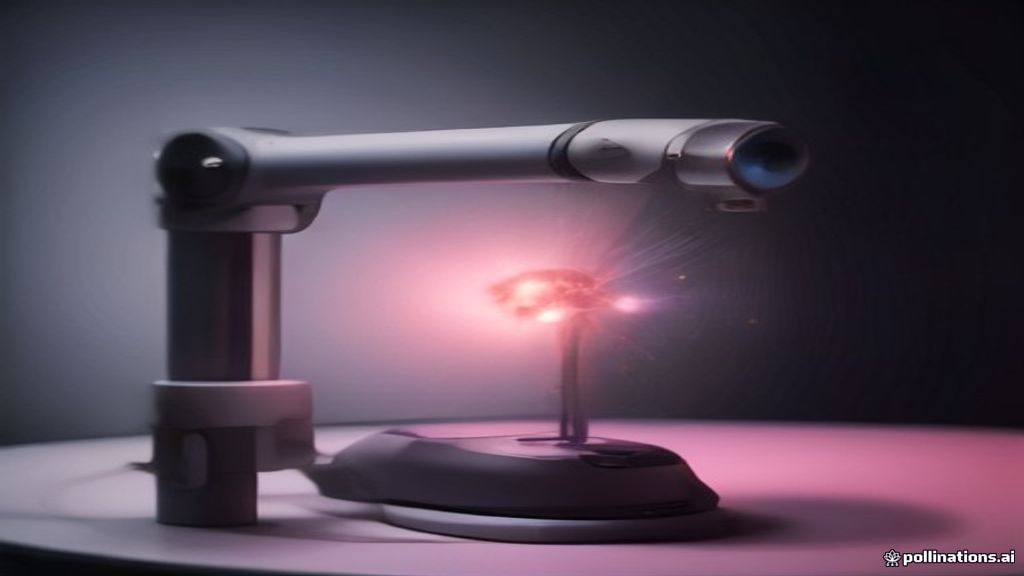
Researchers at the Massachusetts Institute of Technology have unveiled a pioneering MIT robotic optics lab capable of autonomously constructing and perfectly aligning functional laser cavities in under 30 minutes. Operating with exceptional accuracy, the automated system completes complex optical builds in just 50 distinct maneuvers while offering real-time self-correction capabilities during physical disruptions.
Constructing optical experiments has long been recognized as a tedious, highly delicate process within scientific research. Assembling a functional laser cavity requires positioning mirrors, lenses, and laser mediums with extreme precision. Historically, trained physicists spend hours performing manual adjustments to achieve the necessary alignment. The new robotic platform automates this labor-intensive task, leveraging sophisticated spatial sensing and motion algorithms to achieve sub-micron alignment accuracy across delicate components.
A standout feature of the new system is its dynamic adaptability to unexpected environment shifts. During experimental trials, researchers intentionally disturbed the optical setup by knocking components out of position. Rather than failing or requiring a manual reset, the MIT robotic optics lab detected the misalignment in real time, executing dynamic recalibrations to quickly return the laser cavity to operational parameters without human intervention.
The integration of autonomous robotics into optics labs stands to dramatically accelerate research cycles in photonics, telecommunications, and quantum physics. By delegating precise, highly repetitive hardware setups to an automated assistant, research institutions can reduce human error and vastly increase experiment throughput. Tasks that previously required days of tedious alignment can now be executed cleanly in a fraction of an hour.
Looking toward the future, MIT researchers envision fully remote automated laboratory environments accessible to scientists worldwide. Such technology could permit researchers to design and execute physical optical experiments from anywhere on Earth, paving the way for around-the-clock automated scientific discovery and collaborative global research networks.
Useful links
Tourism & Management · Citizen Responsibility · Skill Services · Ramesh Poudel
Published with WpNewblog — www.rameshpoudel.com
About the Author
