2 October 2026 —
Conservationists in Hawaii have achieved a significant ecological victory by reintroducing captive-bred Hawaiian tree snails back into their native forest habitat. The milestone marks a major turning point after decades of environmental devastation caused by a failed biological control effort initiated in the mid-20th century, which pushed the unique local mollusks to the brink of complete eradication.
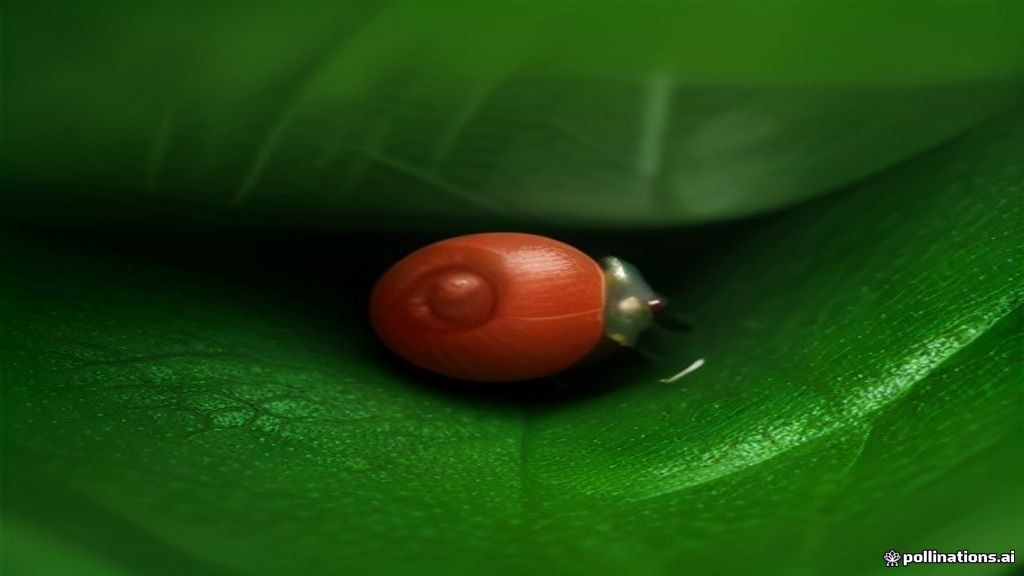
The ecological crisis originally began in 1955 when agricultural officials introduced the carnivorous rosy wolfsnail to the Hawaiian islands. The predatory species was imported with the intention of controlling populations of giant African snails, an invasive agricultural pest that had rapidly spread across the state. However, rather than suppressing the targeted pest, the rosy wolfsnail adapted to prey heavily upon vulnerable indigenous species that lacked natural defenses.
Among the hardest hit were the island’s native tree snails, which had evolved over millions of years in isolation. By 1991, relentless predatory pressure from invasive species, alongside habitat destruction, forced scientists to declare several native species extinct in the wild. In a last-ditch effort to prevent total extinction, biologists rescued the final remaining wild individuals to establish specialized laboratory breeding programs.
For more than thirty years, environmental teams worked tirelessly in climate-controlled facilities to preserve and multiply the remaining snail stocks. To prepare for their eventual release, conservation agencies constructed specialized, predator-proof enclosures within protected mountain forests. These secure exclosures feature electrified barriers and physical deterrents designed to keep out invasive predators like the rosy wolfsnail and rats.
Nearly seven decades after the original introduction of the invasive wolfsnail, healthy generations of native snails are once again living in natural conditions. Biologists plan to conduct long-term monitoring of the released populations to assess their adaptation, reproductive growth, and overall survival in these protected sanctuaries.
The successful release highlights the crucial role of long-term scientific interventions in biodiversity restoration. While invasive species continue to pose severe challenges across Pacific island ecosystems, this landmark reintroduction proves that dedicated captive breeding and modern habitat defense can successfully undo historical ecological damage.
Useful links
Tourism & Management · Citizen Responsibility · Skill Services · Ramesh Poudel
Published with WpNewblog — www.rameshpoudel.com
About the Author