2 October 2026 —
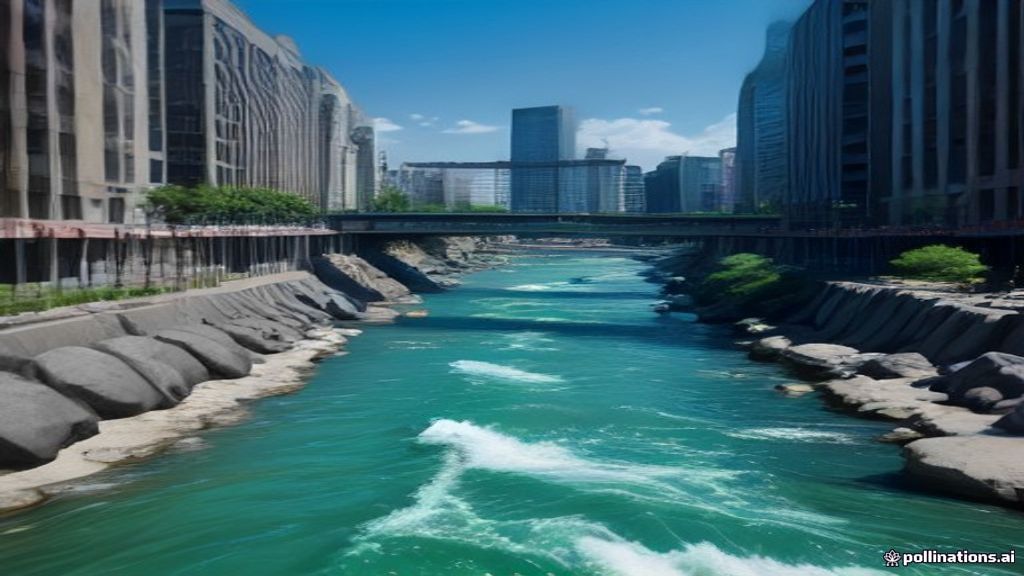
Heavy equipment has officially moved into the Grand River in downtown Grand Rapids, Michigan, marking the start of physical construction on a long-anticipated Grand Rapids river restoration project. After nearly two decades of detailed planning, community engagement, and environmental assessments, crews have begun removing legacy industrial infrastructure to bring back the natural white-water rapids that originally gave the city its name.
The initial phase of the multi-million dollar transformation focuses on dismantling four aging low-head dams along the urban stretch of the river. Constructed decades ago during an era of rapid industrial development, these artificial barriers altered the waterway’s natural gradient, submerging the historic rapids and interrupting aquatic pathways. Engineers are now replacing the concrete barriers with carefully engineered natural rock formations designed to recreate the river’s original drop and water flow.
Beyond restoring the dramatic visual identity of the downtown waterfront, environmental experts highlight that the project will deliver substantial ecological benefits. Removing the low-head dams will reconnect fragmented river habitats, allowing native fish species to travel upstream to historical spawning grounds for the first time in over a century. The newly placed boulder structures will also increase oxygenation and create diverse riverbed environments for aquatic life.
Project coordinators have built comprehensive wildlife protection measures into the active construction process. Specialized environmental teams are carefully surveying the riverbed and relocating native freshwater mussel populations away from active heavy machinery zones. Simultaneously, the project incorporates advanced control mechanisms to prevent invasive sea lampreys from expanding their reach higher up the river basin, preserving sensitive upstream ecosystems.
Civic leaders expect the renewed waterway to become a significant draw for regional tourism, eco-recreation, and downtown commerce. Once the riverbed reconfigurations are complete, the restored stretch will support kayaking, angling, and expanded public access along the shorelines. The start of construction signifies a landmark moment in turning a formerly degraded industrial corridor back into a healthy, dynamic natural ecosystem for the region.
Useful links
Tourism & Management · Citizen Responsibility · Skill Services · Ramesh Poudel
Published with WpNewblog — www.rameshpoudel.com
About the Author