
19 September 2026 —
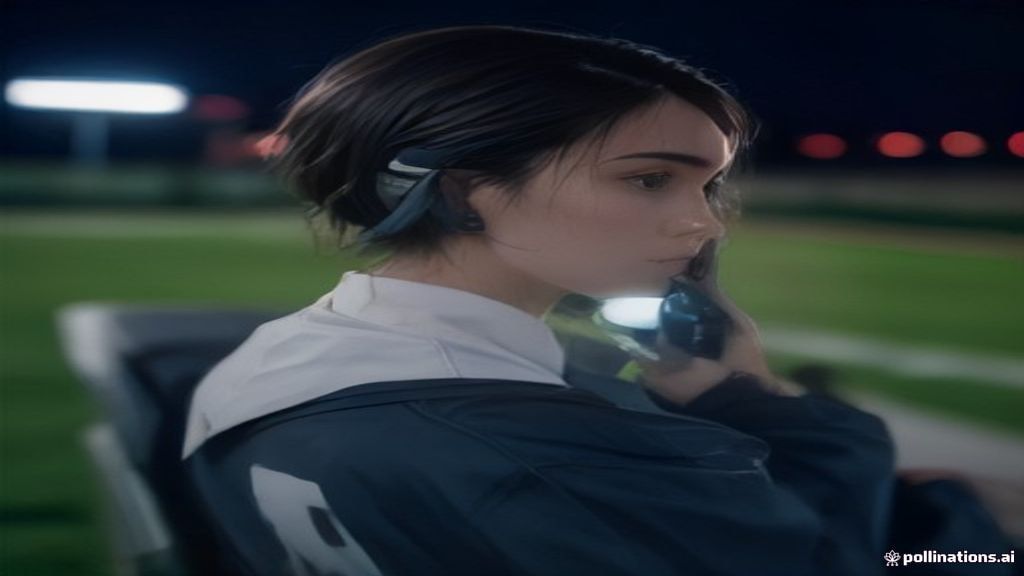
Three student innovators at Harvard University have developed a portable concussion screening headset capable of detecting potential traumatic brain injuries in athletes within roughly 60 seconds. The affordable wearable device promises to transform sideline safety protocols by providing immediate, objective neurological assessments during competitive sporting events.
Concussions represent one of the most pressing health hazards in modern athletics, yet identifying them quickly on the playing field remains a persistent challenge. Traditional diagnostic methods often depend on subjective self-reporting by players or observational questionnaires administered by trainers. While advanced neuroimaging equipment offers definitive diagnoses, its high cost and bulk make it practical only within specialized clinical environments.
The newly engineered headset addresses these limitations by offering a low-cost, mobile solution tailored for immediate field use. Equipped with specialized sensory hardware, the device monitors key physiological indicators and subtle neurological responses, such as irregular eye movements and cognitive processing delays, which frequently signal mild traumatic brain injuries.
Accessibility served as a driving principle behind the device’s creation. By leveraging cost-effective manufacturing techniques and modern micro-sensors, the Harvard team successfully created a prototype that remains financially viable for high schools, youth leagues, and grassroots athletic organizations that typically lack access to elite medical resources.
Speed is equally vital when evaluating head impacts during games. In preliminary testing, the headset yielded accurate screening metrics in about one minute, enabling athletic trainers and coaching personnel to clear or remove athletes from competition without prolonged delays. Immediate identification drastically lowers the likelihood of second-impact syndrome, a severe condition caused by sustaining a secondary head impact before the brain fully heals.
Looking ahead, the development team plans to expand clinical trials to further refine the device’s algorithmic precision and secure necessary regulatory clearances. If successfully commercialized, this innovative screening technology could establish a standard for sideline safety across amateur and professional sports worldwide.
Useful links
Tourism & Management · Citizen Responsibility · Skill Services · Ramesh Poudel
Published with WpNewblog — www.rameshpoudel.com
About the Author
