
18 September 2026 —
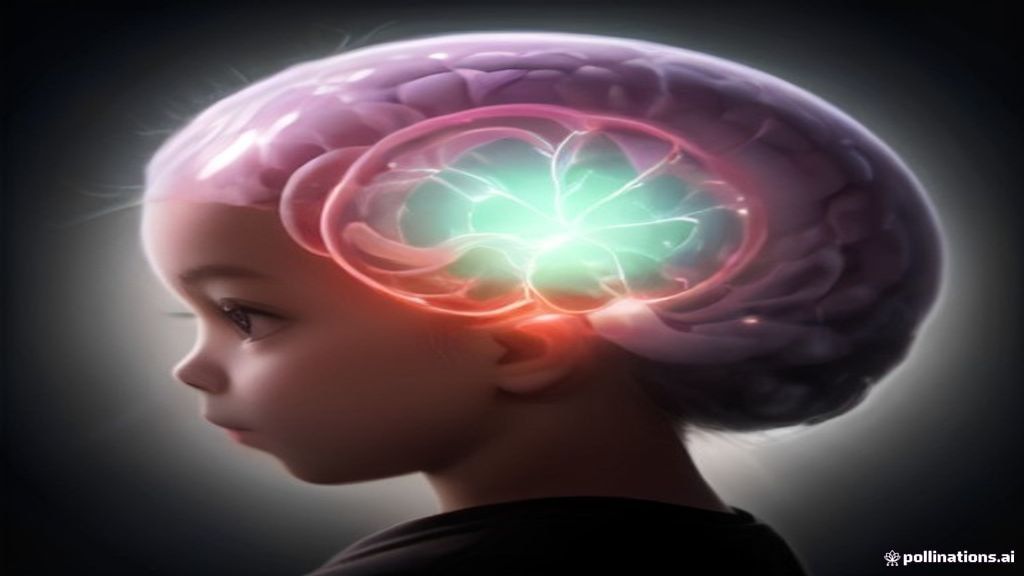
Infantile amnesia prevents virtually all adults from recalling the earliest years of their lives, creating a universal cognitive gap despite clear evidence that human infants are capable of forming memories. While infants routinely demonstrate the ability to learn and recognize individuals, environments, and routines, these early experiences seemingly vanish from conscious recall as children grow into adulthood. Neuroscientists studying this phenomenon point to the dynamic biological transformations taking place inside the developing human brain during early childhood.
Central to understanding this early memory loss is the maturation of the hippocampus, a critical brain structure responsible for encoding, consolidating, and retrieving episodic memories. During infancy and early childhood, the hippocampus undergoes rapid structural reorganization. Because this vital region is not yet fully developed during the first few years of life, the biological architecture required to store long-term, detailed autobiographical memories remains incomplete, making future retrieval extraordinarily difficult for the adult brain.
Furthermore, neurological research highlights the role of neurogenesis—the rapid generation of new neurons in the young brain—as a major driver of infantile amnesia. While extensive neural growth allows infants to learn and adapt at remarkable speeds, the continuous integration of new cells can disrupt pre-existing neural connections. This ongoing rewiring effectively modifies or overwrites early memory circuits, rendering pre-existing memories inaccessible in later years.
Cognitive development and language acquisition also influence how early memories are organized and accessed over time. As toddlers acquire language skills, their cognitive framework transitions from non-verbal, sensory-based processing to structured linguistic thought. Memories formed prior to this developmental milestone are stored without verbal tags, making them nearly impossible to retrieve using the language-driven memory mechanisms that adults rely on.
Although adults cannot consciously recall their infancy, researchers emphasize that these early experiences are not entirely erased. Instead of forming explicit autobiographical memories, early life experiences shape implicit memory systems, deeply influencing emotional responses, behavioral patterns, and subconscious learning. Ultimately, infantile amnesia is understood not as a cognitive failure, but as a necessary phase in healthy human brain evolution.
Useful links
Tourism & Management · Citizen Responsibility · Skill Services · Ramesh Poudel
Published with WpNewblog — www.rameshpoudel.com
About the Author