18 September 2026 —
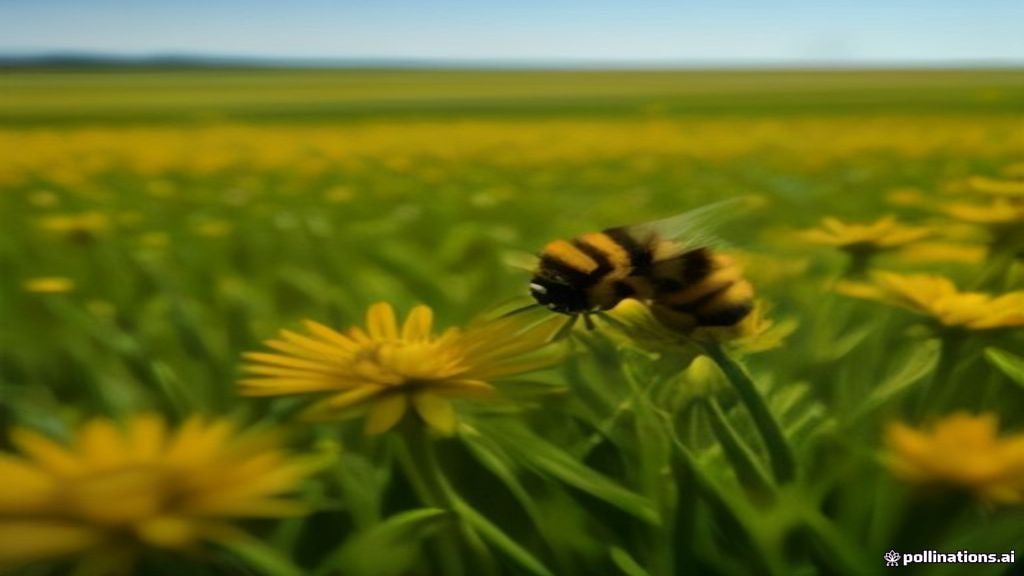
A remarkable ecological success story has unfolded in rural Iowa, where landowner Ann Hammond discovered a federally endangered bumblebee resting among native flora on her 12-acre property. The surprise sighting occurred after Hammond spent several years transforming her land back into its natural, native Midwestern prairie habitat.
Hammond initiated her ambitious conservation initiative to revitalize the degraded landscape by systematically clearing invasive vegetation. In its place, she planted a rich collection of native perennial wildflowers and grasses designed to support indigenous wildlife, particularly declining insect species that depend on specific host plants.
Her multi-year restoration work yielded a major conservation victory when the rare pollinator—identified as the rusty patched bumblebee—was observed foraging across her flowering fields. The species witnessed a severe decline of more than 80 percent in population across North America over recent decades, leading to its official designation under the U.S. Endangered Species Act in 2017.
Biologists and wildlife conservationists emphasize that private property stewardship is increasingly critical to preserving imperiled insect species. With much of Iowa’s historic tallgrass prairie lost to industrial agriculture and commercial development, micro-habitats established on private acreage offer crucial sanctuary corridors for foraging, nesting, and reproduction.
The discovery underscores how targeted ecological restoration can yield measurable results for biodiversity recovery. Conservation advocates hope Hammond’s triumph will encourage additional private property owners across the region to convert manicured lawns and unused farm margins into vibrant native habitats capable of rescuing threatened pollinator populations.
Useful links
Tourism & Management · Citizen Responsibility · Skill Services · Ramesh Poudel
Published with WpNewblog — www.rameshpoudel.com
About the Author