15 September 2026 —
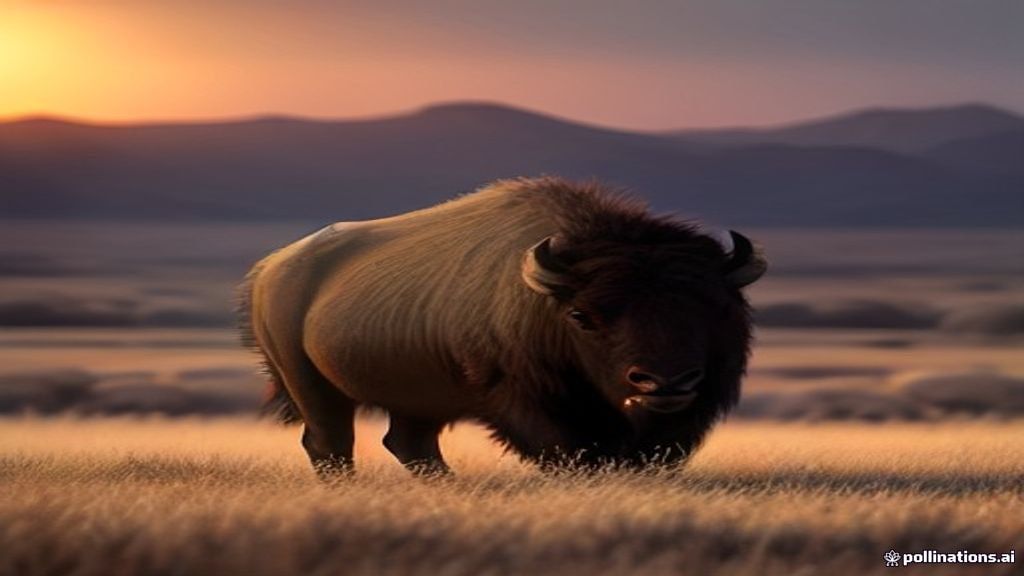
A landmark bison reintroduction in Mexico is actively regenerating the degraded grasslands of the Chihuahuan Desert, achieving notable ecological gains just months after the iconic mammals returned to their historic habitat following a 160-year absence. Once hunted to local extinction during the 19th century, the reintroduced herds are now playing a vital role in revitalizing native plant life and restoring soil health across northern Mexico.
Historically, millions of American bison roamed vast stretches of North America, extending deep into northern Mexico. However, relentless overhunting, agricultural expansion, and habitat fragmentation wiped out the southern herds by the mid-to-late 1800s. Without these natural grazers, the delicate desert grassland ecosystem suffered severe degradation, leading to soil compaction, invasive plant dominance, and accelerated desertification.
In response to decades of ecological decline, conservationists and environmental authorities coordinated a strategic relocation program to transport wild bison from managed herds back to dedicated reserves in Mexico. Upon their release into the reserves within the Chihuahuan grasslands, scientists observed immediate behavioral shifts that began transforming the physical landscape.
As a keystone species, bison interact with the ecosystem in ways unique among herbivores. Their heavy movement breaks up hard, compacted earth, allowing rain to penetrate deeper into the ground rather than creating surface runoff. Additionally, their natural grazing habits stimulate native grass growth while keeping invasive brush in check, creating open habitats required by local bird populations, small mammals, and native reptiles.
Environmental experts point to the rapid recovery of the Chihuahuan Desert as compelling proof of the effectiveness of wild megafauna restoration. Beyond improving soil fertility and vegetation cover, the thriving bison population enhances the region’s overall resilience against extreme droughts and climate volatility.
Conservation teams plan to continue monitoring the herd’s growth while expanding protected corridors across public and private lands. The successful return of these magnificent mammals stands as one of Latin America’s most encouraging wildlife restoration achievements, providing a promising model for ecosystem recovery worldwide.
Useful links
Tourism & Management · Citizen Responsibility · Skill Services · Ramesh Poudel
Published with WpNewblog — www.rameshpoudel.com
About the Author