5 October 2026 —
A new lizard species capable of surviving in one of the most extreme environments on Earth has been discovered high in the Peruvian Andes. Biologists identified the small reptile inhabiting rocky terrain at elevations exceeding 15,750 feet (4,800 meters) above sea level, an altitude previously thought to host very few cold-blooded animals. The discovery highlights the remarkable biodiversity hidden within South America’s rugged high-altitude ecosystems.
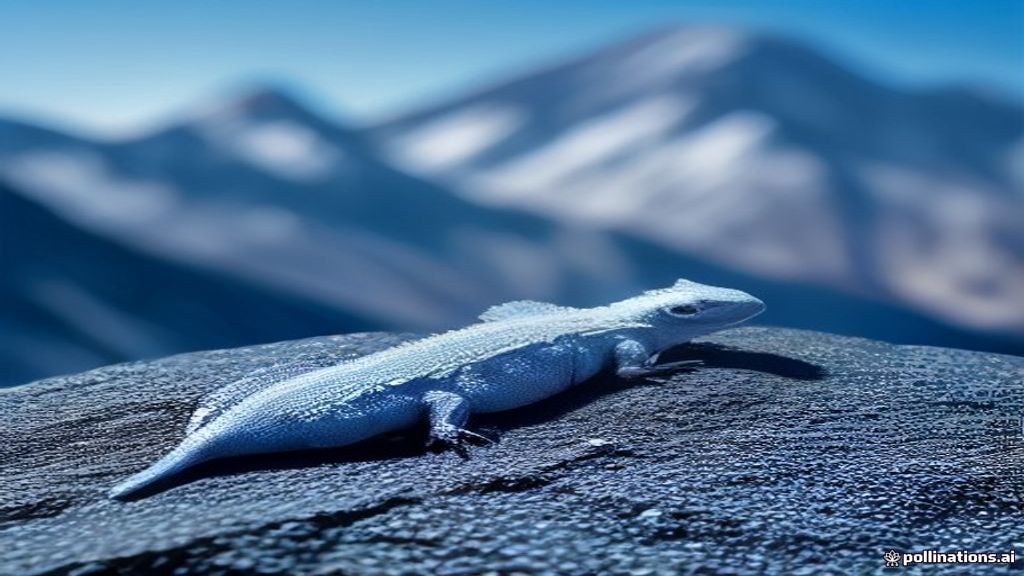
Measuring between six and eight centimeters in length, the newly identified reptile possesses specialized evolutionary traits that allow it to blend seamlessly into its mountainous home. Its body features a distinct combination of white scales and intricate patterned markings. This unique coloration serves as a crucial defense mechanism, providing effective camouflage against the frosted rocks, lichen, and snow-dusted surfaces characteristic of the upper Andean zone.
Surviving at such extreme elevations presents severe physiological challenges, including sub-zero temperatures, intense ultraviolet radiation, and severe atmospheric oxygen limits. While most reptiles depend on warmer thermal microclimates to regulate their internal temperature, this species has adapted to thrive despite freezing nights and harsh weather conditions. Researchers believe the creature utilizes specialized basking behaviors and heat-retention mechanisms to maintain activity during brief windows of solar exposure.
Herpetologists involved in the study emphasize that finding a previously unknown vertebrate at such extreme elevations is a rare occurrence. High-alpine zones in the Andes are notoriously difficult to survey due to treacherous terrain and unpredictable mountain weather, leaving vast stretches of the region unexplored. The discovery suggests that other undocumented species may still inhabit South America’s remote mountain corridors.
Despite their remote location, high-altitude habitats face growing environmental threats. Rising temperatures from global climate change are altering thermal zones in alpine regions, forcing native species to move further up mountain slopes to remain in suitable habitats. Scientists caution that high-elevation specialists like this newly documented lizard may be particularly vulnerable, as they already occupy the highest reaches of their geographical range with virtually nowhere higher to migrate.
Further field studies are currently underway to analyze the population density, genetics, and precise ecological role of the reptile within its local food web. Conservationists hope this remarkable discovery will spur enhanced environmental protections for fragile high-altitude ecosystems across Peru.
Useful links
Tourism & Management · Citizen Responsibility · Skill Services · Ramesh Poudel
Published with WpNewblog — www.rameshpoudel.com
About the Author