23 September 2026 —
PHILLIP ISLAND, Australia — A comprehensive predator eradication and environmental recovery campaign on Australia’s Phillip Island has propelled the local population of Phillip Island little penguins from a precarious 12,000 to an estimated 40,000 birds. The remarkable rebound highlights one of the most successful seabird conservation efforts in recent history, reversing decades of severe decline caused by invasive species and habitat degradation.
Prior to the launch of targeted interventions in 2004, the island’s seabird population was teetering on the edge of ecological collapse. Historical records indicate that nine out of ten original little penguin colonies on Phillip Island had completely disappeared. The primary catalyst for this destruction was the introduced European red fox, an apex land predator against which the small, ground-nesting birds possessed virtually no natural defenses.
To combat the crisis, wildlife authorities launched an aggressive, island-wide fox elimination program. Conservation teams deployed advanced tracking methods, trained detection dogs, and systematic trapping to remove every red fox from the territory. Concurrently, environmentalists initiated large-scale habitat restoration projects, re-vegetating coastal sand dunes, erecting artificial nest boxes, and limiting human encroachment near critical breeding areas.
The persistent efforts bore fruit over two decades, culminating in the complete removal of foxes from the island. Deprived of predator pressure, the remaining colony experienced unprecedented reproductive growth. The survival rate of fledglings rose sharply, enabling the birds to recolonize historic nesting zones across the island’s southern coastline that had long sat vacant.
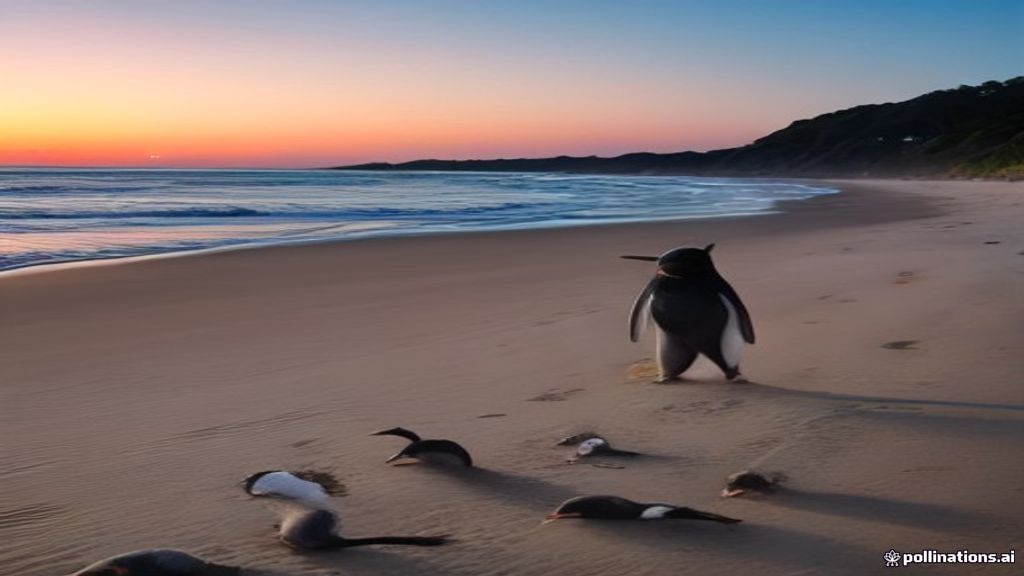
Beyond preserving biodiversity, the recovery of the little penguins has fortified the region’s economy. The island’s famous Penguin Parade, where thousands of birds return to their burrows at sunset, continues to be a major global eco-tourism attraction, drawing international visitors and generating vital funding for ongoing ecological research.
Conservation managers note that maintaining this sanctuary requires constant vigilance. Strict biosecurity protocols, continuous monitoring, and community surveillance remain active to prevent any reintroduction of mammalian predators, ensuring that Phillip Island remains a safe haven for future generations of seabirds.
Useful links
Tourism & Management · Citizen Responsibility · Skill Services · Ramesh Poudel
Published with WpNewblog — www.rameshpoudel.com
About the Author